
Summer Balayage 2026: 25 Ideas, Skin Tone Guide
Summer balayage is the most requested hair color service in US salons every single year and in 2026 it is bigger than ever. Women across the country are booking balayage appointments right now to get their color ready before peak summer hits in June and July. The reason is simple. Balayage creates the sun-kissed, dimensional hair that summer demands without the harsh lines, frequent root touch-ups, and high maintenance of traditional highlights.
This guide covers 25 summer balayage ideas for 2026. It includes a full skin tone shade guide, a breakdown of every balayage technique worth knowing, a hair type guide, the summer color maintenance calendar, and a summer care routine that keeps your color from fading. Whether you are booking your first balayage or refreshing an existing one, everything you need is here.
25 Summer Balayage Ideas for 2026
1. Honey Blonde Balayage
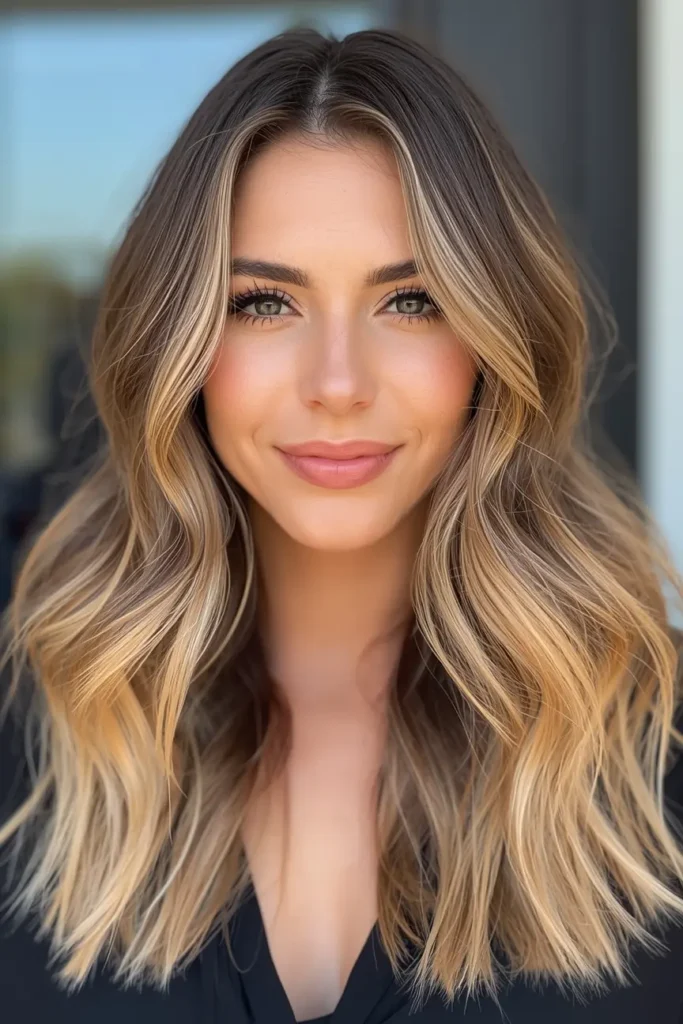
Honey blonde is the most universally flattering summer balayage shade of 2026. It sits between golden and beige blonde with a warm, luminous quality that catches summer light beautifully. On brunette hair it creates a rich, dimensional result where the honey tones weave through the darker base and create the illusion of a summer tan in the hair.
This shade suits warm and neutral skin tones best and looks particularly stunning on medium skin where the golden warmth creates a healthy glow. It is one of the most requested US salon colors right now and grows out gracefully without a visible root line.
Best for: Medium brunettes with warm or neutral undertones. All hair lengths.
What to ask for: “A honey blonde balayage with hand-painted sections from the mid-length to ends, keeping darkness at the roots for a natural grow-out.”
2. Caramel Balayage
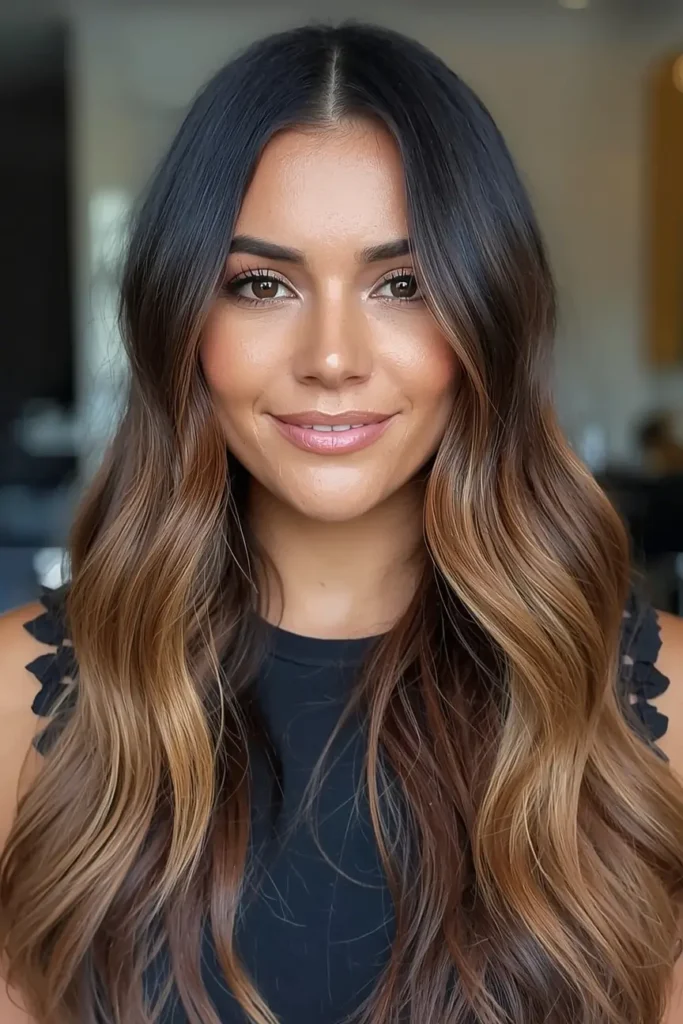
Caramel balayage sits at the warm, rich end of the brown spectrum. It adds depth and movement to dark brunette bases without the dramatic contrast of a blonde balayage. The warm caramel tones catch summer light and create a dimensional, glossy result that looks more like natural sun exposure than salon color.
This is the ideal summer balayage for women who want visible color change while maintaining a professional, polished appearance. It suits warm and olive skin tones particularly well and is one of the lowest-maintenance balayage options because the caramel tones fade naturally rather than brassy.
Best for: Dark brunettes with warm or olive undertones. Women who want color without going blonde.
What to ask for: “A caramel balayage with subtle placement through the mid-lengths and face-framing sections, keeping the roots dark.”
3. Copper Balayage
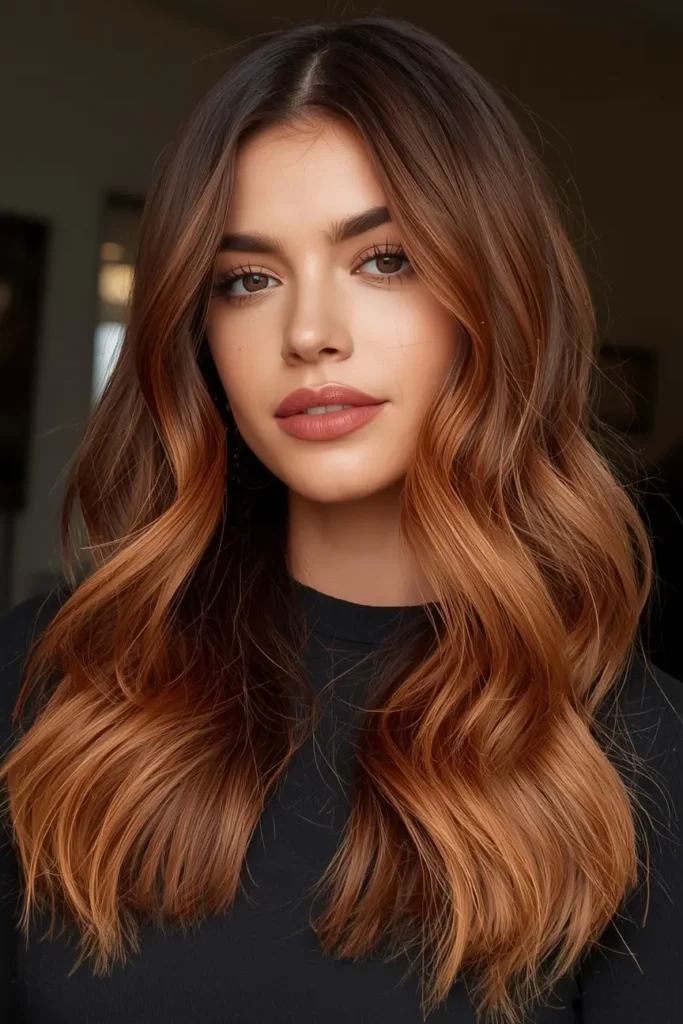
Copper balayage is the breakout color trend of summer 2026. Celebrity colorists and beauty editors across the US consistently name it as the most requested shade of the season. It blends warm copper and amber tones through the hair using the hand-painted technique to create a vibrant, light-reflective result that looks different in every lighting condition.
This shade suits warm and neutral skin tones where the orange-amber quality of copper enhances the golden undertones in the complexion. It is more bold than honey or caramel but still very wearable because the balayage technique keeps the copper concentrated at the ends rather than all over.
Best for: Light to medium brunettes with warm undertones. Women ready for a noticeable color change.
What to ask for: “A copper balayage with amber and warm copper tones concentrated through the mid-lengths and ends, blended seamlessly into a dark brown root.”
4. Lived-In Blonde Balayage
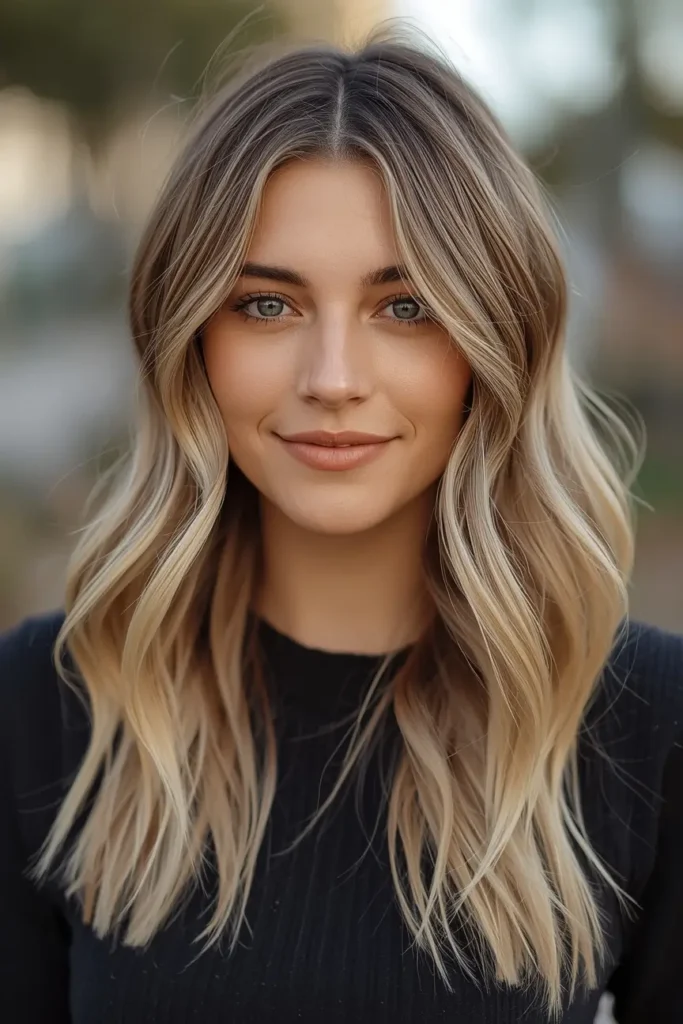
The lived-in blonde is the most low-maintenance balayage option of summer 2026. It uses a soft, natural-looking blonde blend with minimal contrast between the root and the ends. The color looks like it has been there for months, growing out gradually and naturally. US salon clients can stretch 10 to 14 weeks between appointments without obvious regrowth.
This approach suits women who want blonde tones without the commitment of traditional highlights. The soft contrast means the color never looks stark as it grows and the overall result reads as effortlessly natural rather than obviously colored.
Best for: Light brunettes and natural blondes looking to refresh their color. All skin tones.
What to ask for: “A lived-in blonde balayage with very soft, low-contrast placement and a seamless root melt. I want it to look natural, not highlighted.”
5. Golden Hour Brunette Balayage
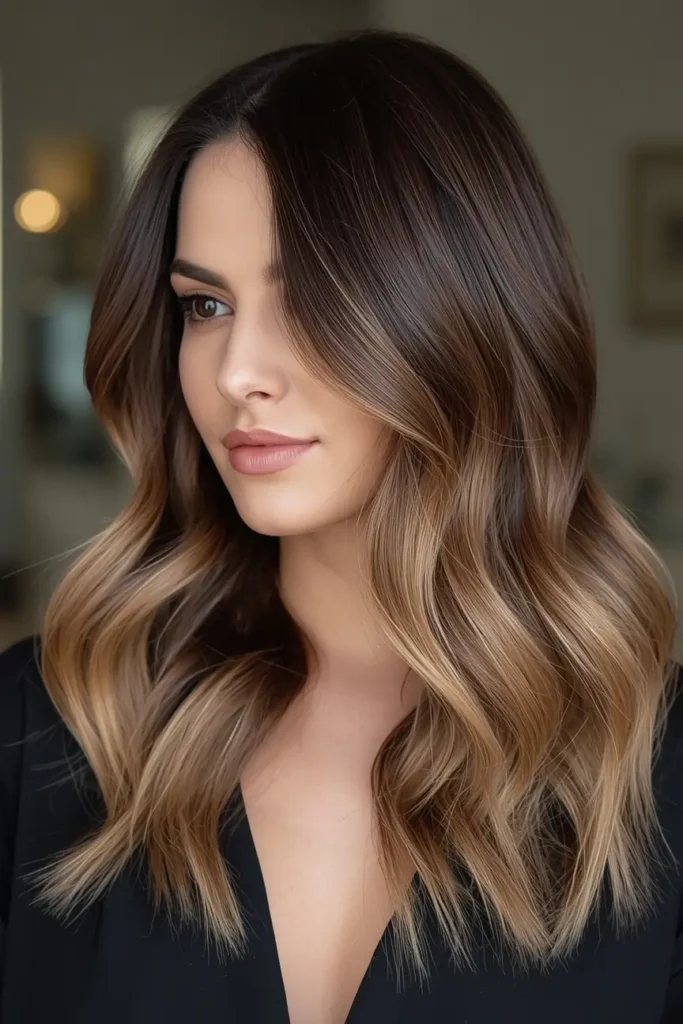
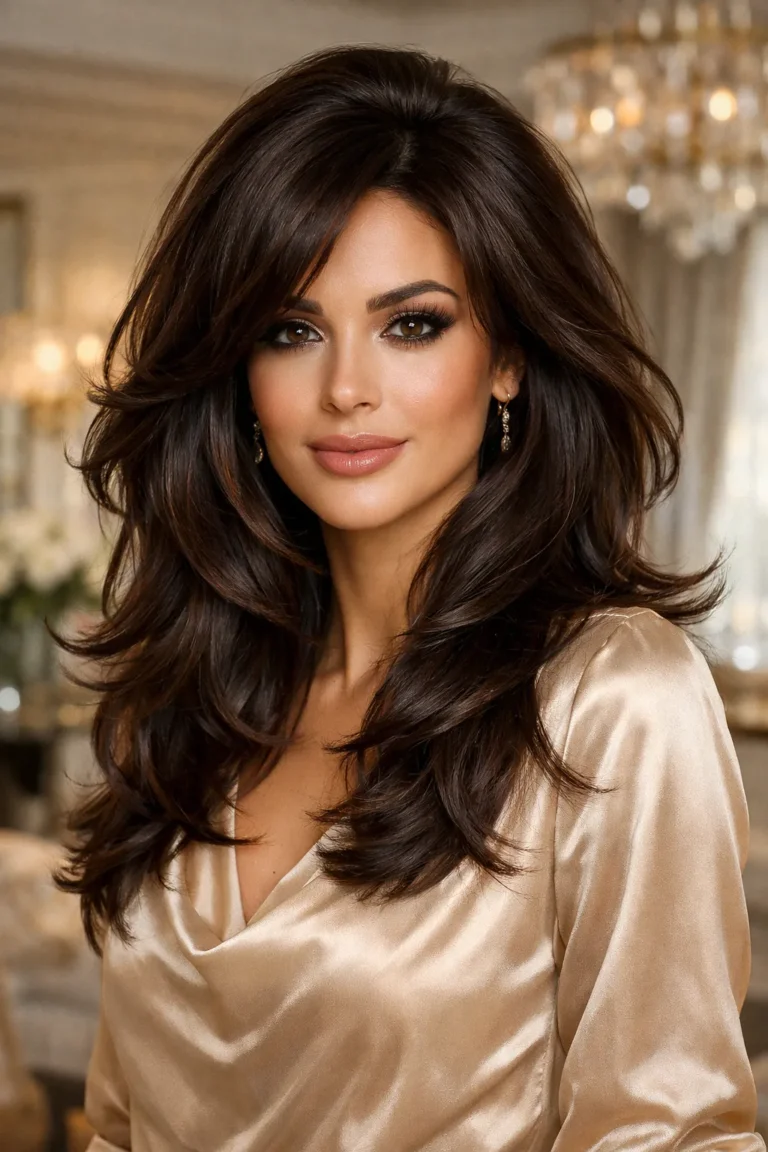
Golden hour brunette keeps the base dark and rich while weaving subtle caramel and honey tones through the mid-lengths and ends. The result is a warm, torched take on chocolate hair that photographs beautifully and catches light in a way that flat single-process brunette never does.
This is the summer balayage for women who want to stay brunette but want their hair to have movement and dimension. It looks polished and professional in indoor settings and luminous and warm in outdoor summer light. Colorists across the US describe it as the most universally wearable color service of the season.
Best for: Dark brunettes of all skin tones who want color enhancement without visible highlights.
What to ask for: “A golden hour brunette with subtle caramel and honey placement through the mid-lengths and ends. I want it to look like my hair has natural dimension, not like I have highlights.”
6. Sun-Kissed Beach Balayage
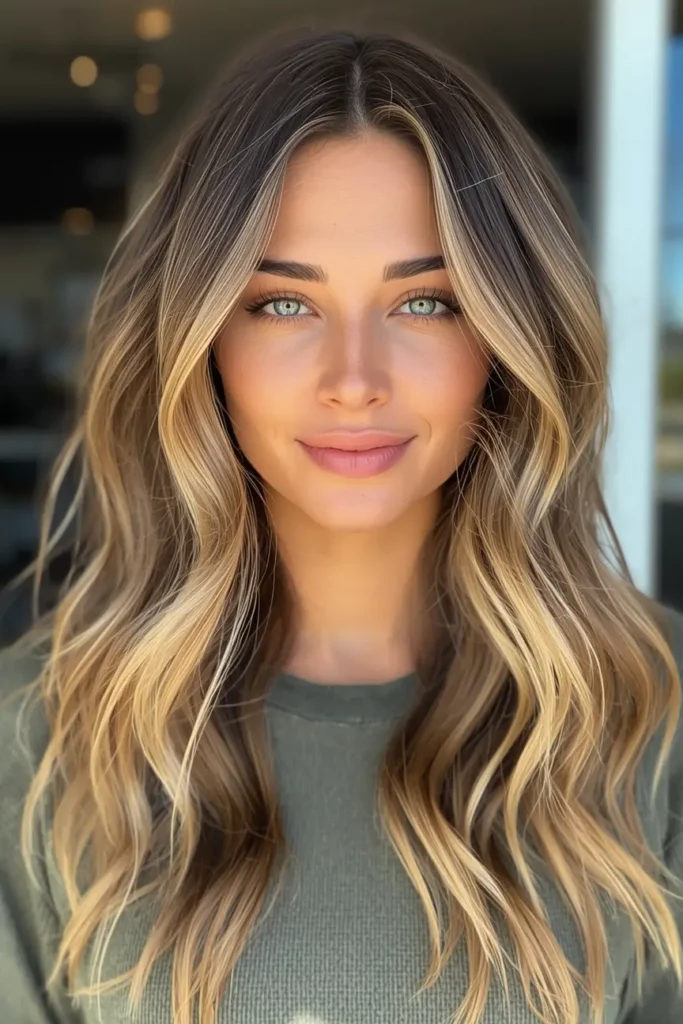
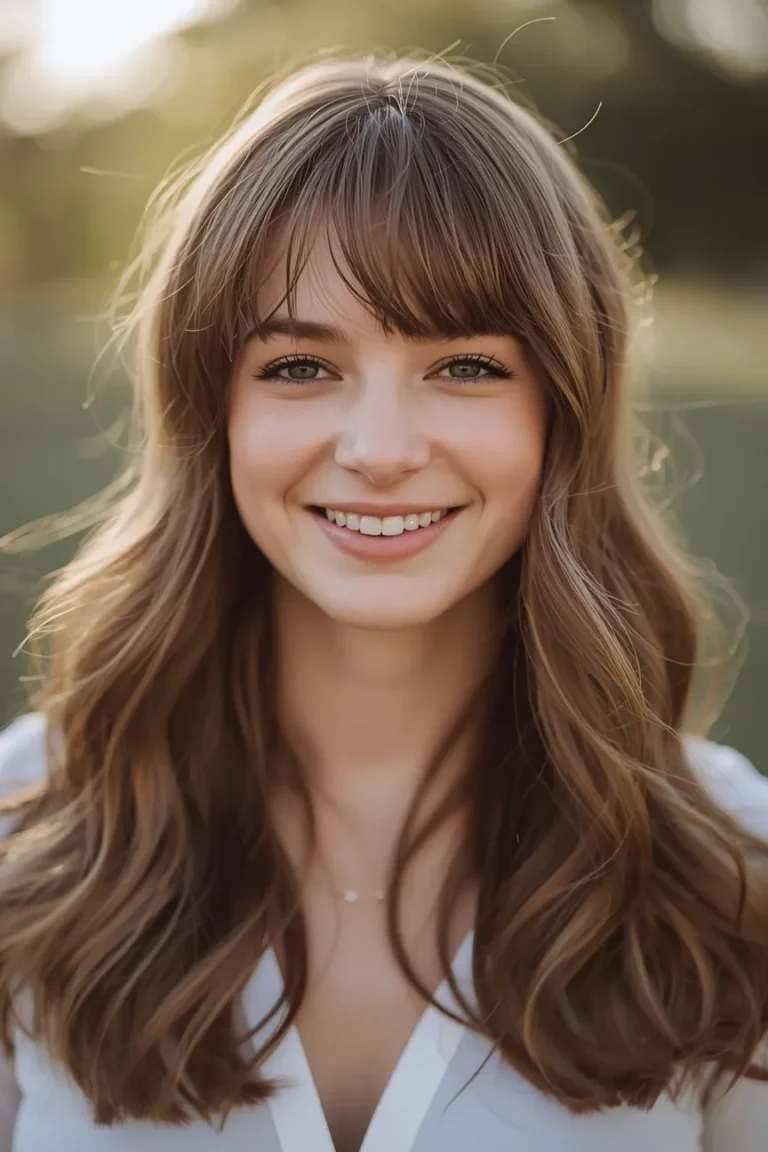
The classic summer balayage reference. A warm brown or dark blonde base with lighter blonde and honey tones concentrated through the face-framing sections and ends, replicating the natural lightening effect of a summer spent outdoors. The technique creates natural-looking streaks rather than uniform highlights.
This style generates the most Pinterest saves of any summer balayage style year over year. The face-framing placement is the key detail that makes this look so flattering because the lighter tones around the face brighten the complexion immediately.
Best for: Medium brunettes and dark blondes with warm or neutral undertones.
What to ask for: “A sun-kissed beach balayage with lighter honey and blonde tones concentrated in the face-framing sections and ends, heavier placement around the face.”
7. Bronde Balayage
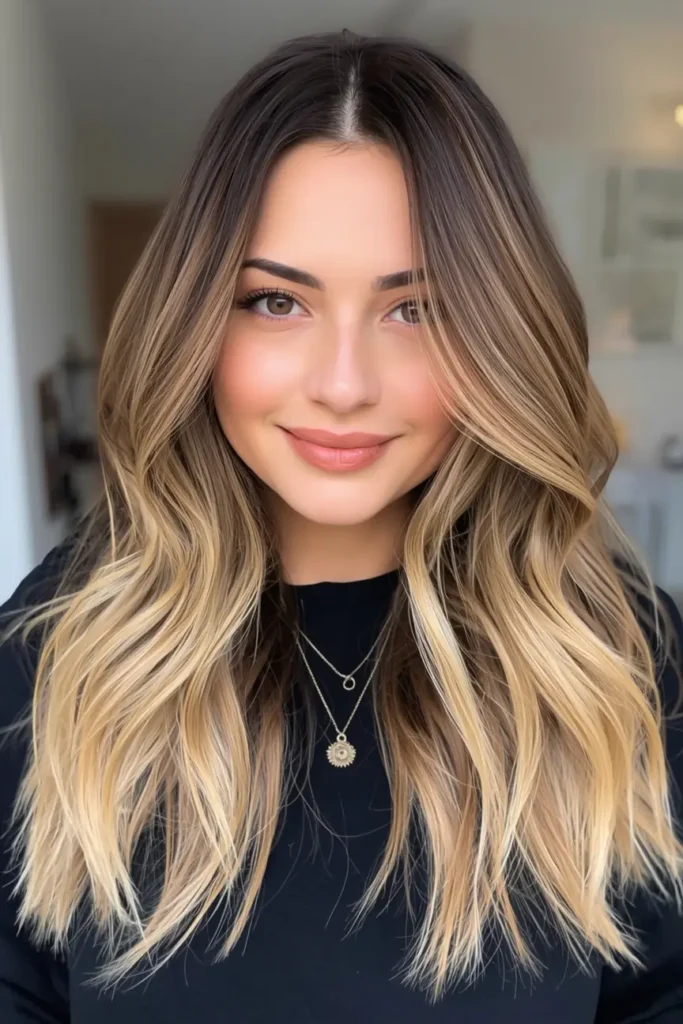
Bronde sits between brunette and blonde — a warm, dimensional blend where neither color dominates. The balayage technique creates a seamless transition between brown and blonde tones that reads differently depending on the lighting. In natural outdoor light it picks up golden blonde warmth. In indoor light it reads as a rich dimensional brunette.
This is one of the most versatile summer balayage options because it suits the widest range of skin tones and works at every hair length. It also has the most forgiving grow-out of any balayage style because the blend between brown and blonde at the roots is gradual and natural-looking.
Best for: All skin tones. Natural brunettes and light brown hair. Women who cannot decide between staying brunette or going blonde.
What to ask for: “A bronde balayage that sits between brunette and blonde, with warm tones blended seamlessly through the mid-lengths.”
8. Strawberry Blonde Balayage
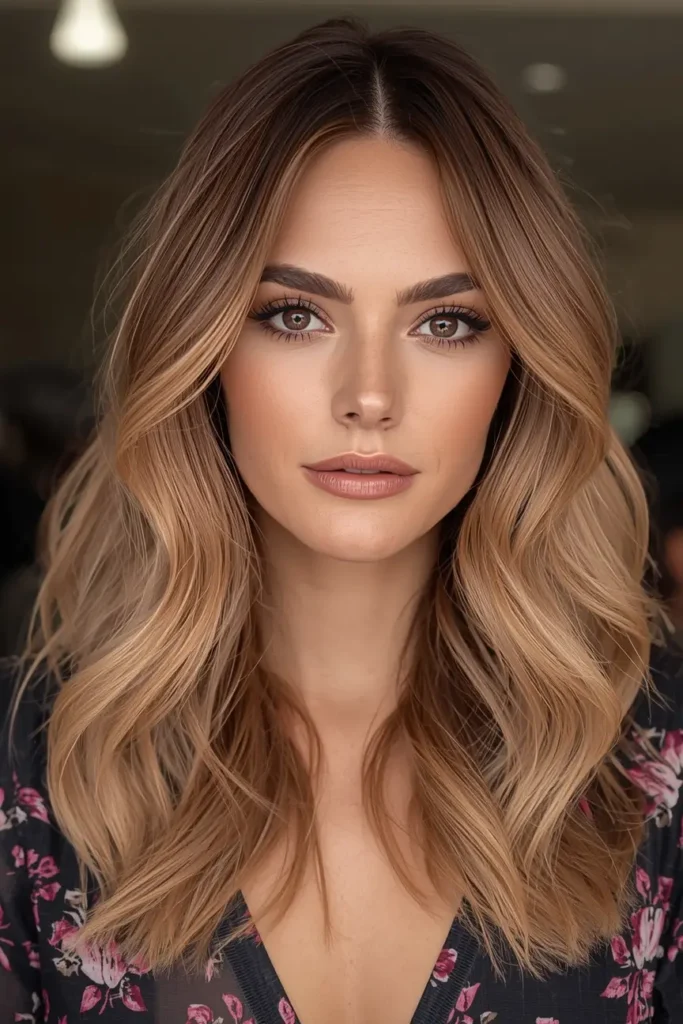
Strawberry blonde sits at the sweet spot between copper and blonde. It is soft, warm, and feminine with enough warmth to read as a color choice without the intensity of a full red. In summer 2026 it is experiencing a quiet renaissance in US salons as an alternative to the more dominant copper trend.
This shade suits fair to medium skin tones with warm or neutral undertones best. On cool skin tones it needs careful formulation to avoid reading too brassy. A gloss treatment over the strawberry blonde tones after the balayage application is the professional technique that keeps the shade soft and luminous rather than orange.
Best for: Fair to medium skin with warm undertones. Natural blondes or light brunettes.
What to ask for: “A strawberry blonde balayage with warm peachy-blonde tones, finished with a gloss to keep the color soft and not brassy.”
9. Ash Blonde Balayage
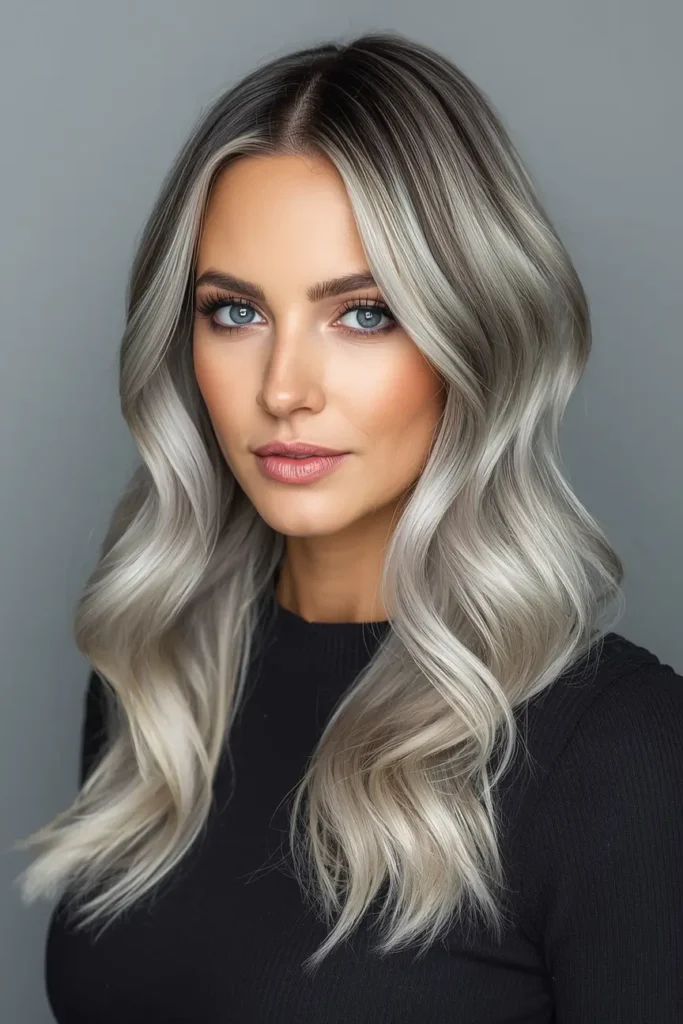
Ash blonde balayage is the cool-toned option for women with cool or neutral undertones who want to go lighter without introducing warmth. The ash tone neutralizes any brassiness in the lightened sections and creates a clean, sophisticated result.
This shade performs best on fair to medium skin with pink, cool or neutral undertones where warm tones would clash. It requires a toner application after lightening to achieve the correct ash tone and a toning gloss every four to six weeks to maintain the coolness as the color ages.
Best for: Fair to medium skin with cool undertones. Women who want blonde without warmth.
What to ask for: “An ash blonde balayage with cool tones, finished with an ash toner to eliminate any warmth. I want the blonde to stay cool and sophisticated.”
10. Dark Chocolate Balayage With Bronze Accents
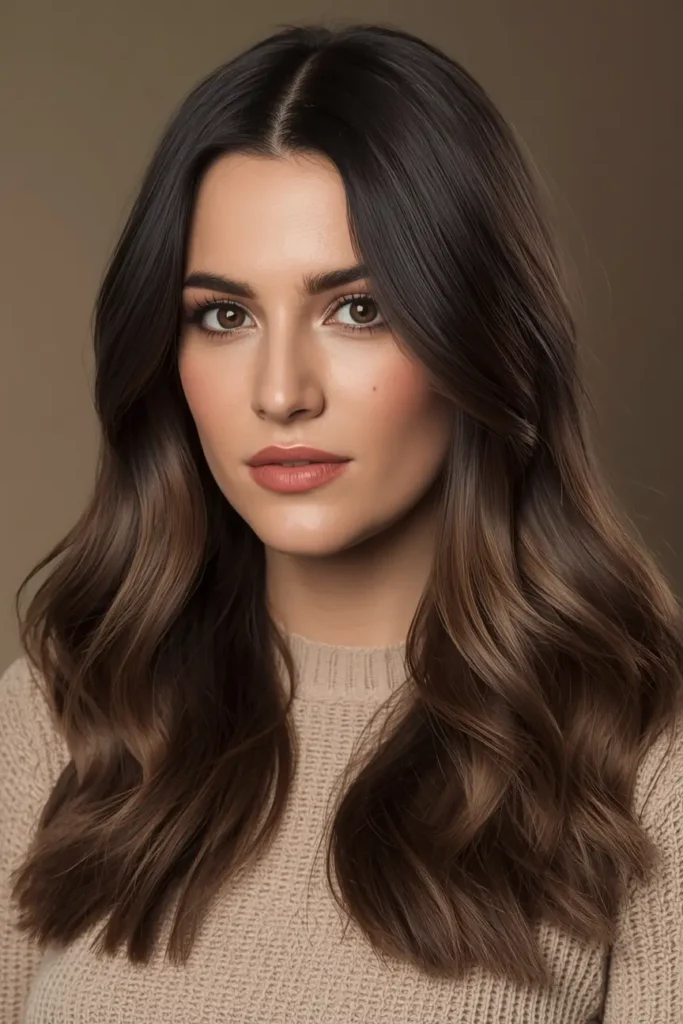
For women with deep hair who want dimension without going light. Fine bronze and dark caramel accents are hand-painted through dark chocolate brown hair, creating subtle warmth and movement that reads as natural shine rather than obvious color. The result is barely-there in indoor light and warmly dimensional in summer sunlight.
This technique is specifically designed for deep skin tones where high-contrast lightening can create an unnatural appearance. The subtle bronze placement adds dimension without changing the overall dark character of the hair.
Best for: Deep brunettes and women with deep skin tones who want dimension without dramatic lightening.
What to ask for: “A dark balayage with subtle bronze and dark caramel accents through the mid-lengths. I want dimension and shine, not obvious highlights.”
11. Sandy Blonde Balayage
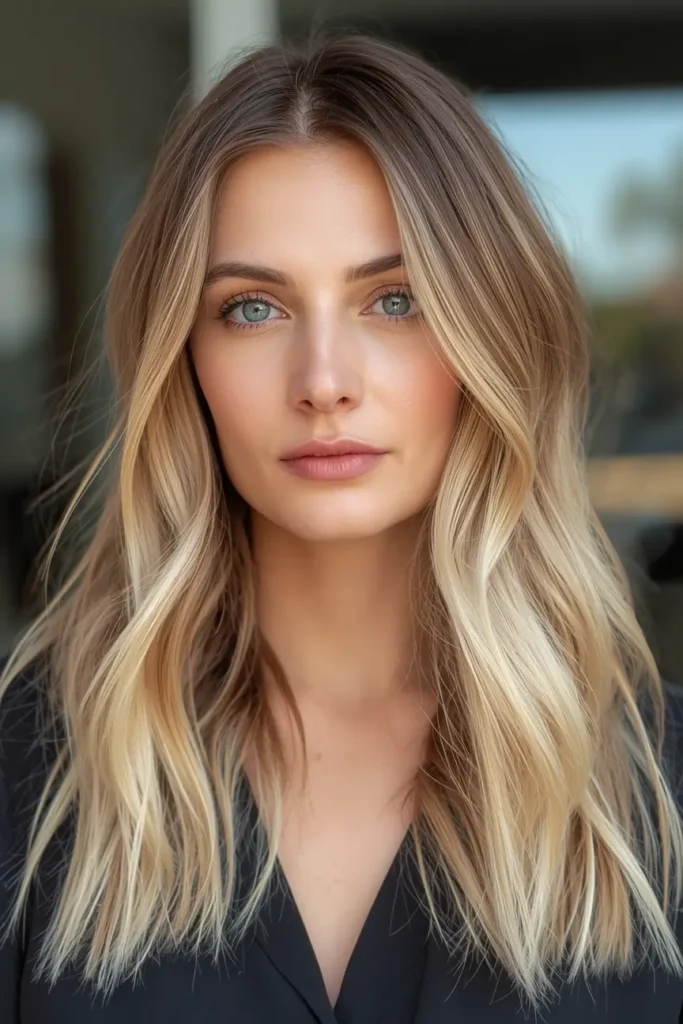
Sandy blonde sits at the neutral end of the blonde spectrum. It is neither warm nor cool, with a beige quality that reads as naturally sun-lightened. In summer 2026 the sandy lived-in blonde is one of the most consistent performers in US salons because of its versatility and low-maintenance grow-out.
This shade suits neutral undertones perfectly. It also works well on warm undertones when balanced with a slightly cooler toner. The neutral quality of sandy blonde means it photographs cleanly in every lighting condition and pairs naturally with every summer wardrobe.
Best for: Light brunettes and natural blondes with neutral undertones. All hair lengths.
What to ask for: “A sandy blonde balayage with neutral, non-warm, non-cool tones. A lived-in, beachy result that looks natural.”
12. Balayage With Face-Framing Highlights
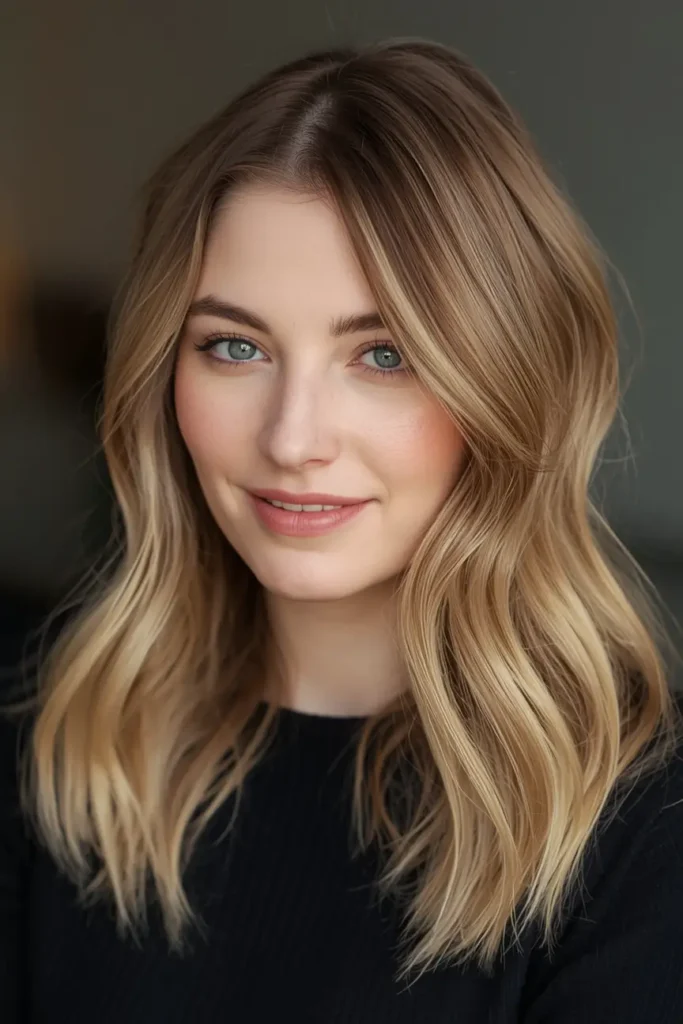
The face-framing balayage concentrates the lightest tones specifically in the sections that frame the face — the pieces around the forehead, the temples, and the front sections that fall forward. The rest of the hair maintains the natural base color, which means the overall look is subtle but the face-brightening effect is immediate.
This is the lowest-commitment balayage option and the best entry point for women who have never colored their hair before. The face-framing placement brightens the complexion and creates a halo effect around the face that photographs beautifully in every lighting condition.
Best for: All hair colors and skin tones. Women trying balayage for the first time.
What to ask for: “Face-framing balayage only, concentrating the lighter tones in the sections that frame my face and leaving the rest of my hair natural.”
13. Modern Ombré Balayage
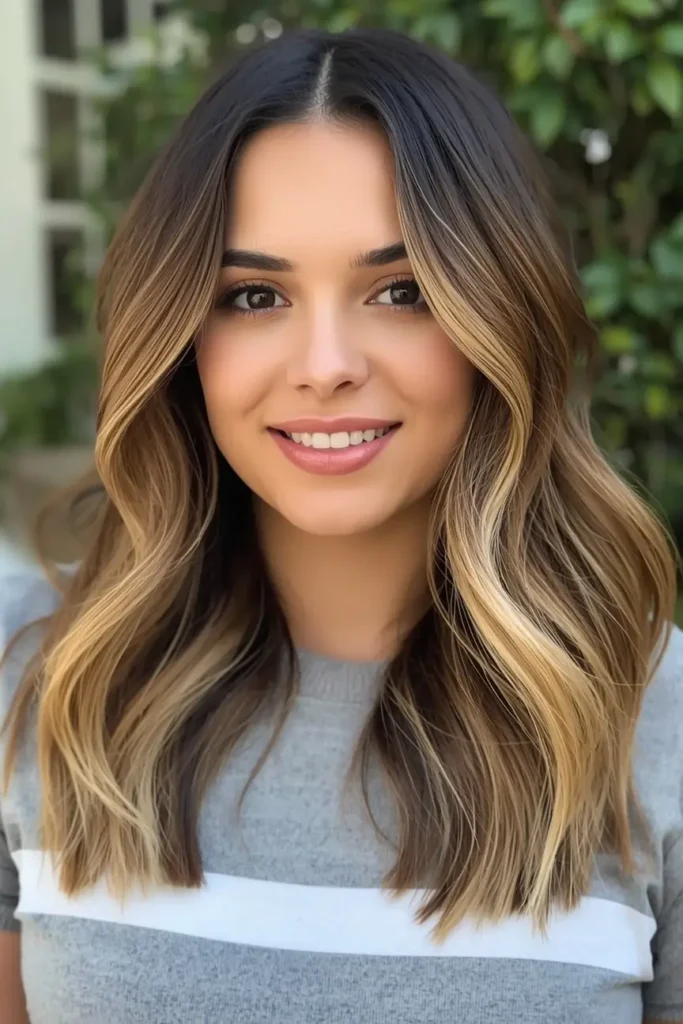
The 2026 revival of ombré uses a much subtler transition than the original trend. Instead of dark roots dramatically melting into very light blonde ends, the modern ombré keeps the ends only two to three shades lighter than the base. The result reads as natural sun-lightening rather than obvious color.
This is the technique described by celebrity colorist Travis Ogletree as the dominant low-maintenance trend of summer 2026. It is perfect for the brunette who wants to feel lighter without looking overtly colored. The grow-out requires no maintenance because the seamless transition means there is never a visible root line.
Best for: Brunettes of all depths who want a low-maintenance summer refresh.
What to ask for: “A modern ombré with ends only two to three shades lighter than my base. I want it to look natural and low-contrast, not the dramatic ombré from years ago.”
14. Honey Brown to Blonde Ombre Wig
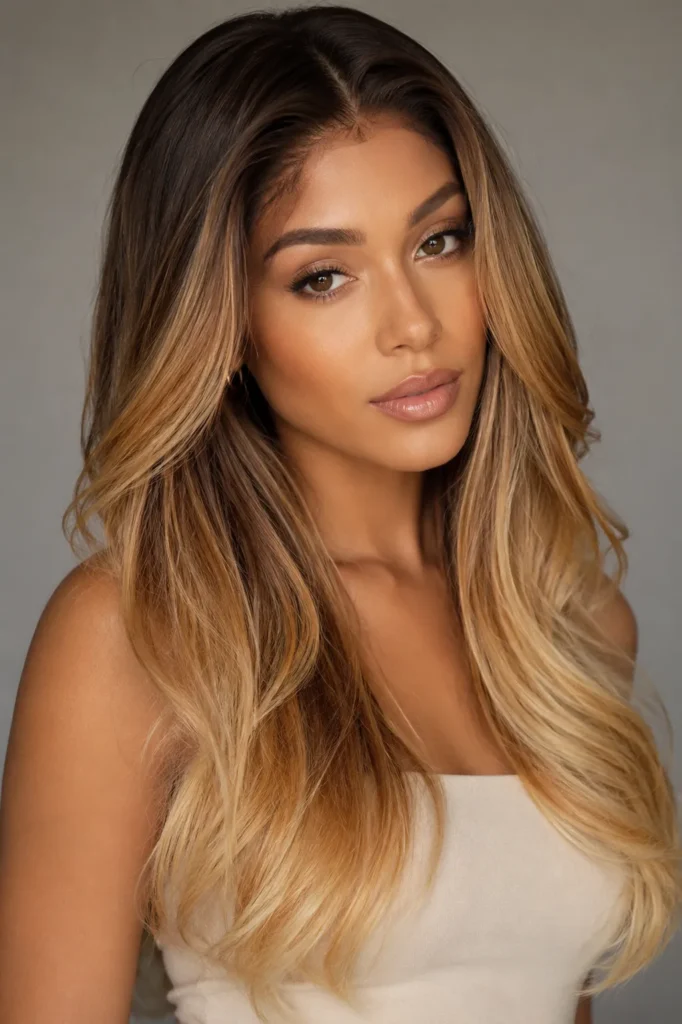
The honey brown to blonde ombre wig is the closest you can get to a salon balayage without touching a drop of lightener. It replicates the most requested US salon color of 2026: a warm dark brown root melting into soft honey blonde ends in a ready-to-wear format. The gradient is seamless, the blonde at the ends is warm rather than harsh, and the overall effect reads as natural sun-kissed color rather than an obvious wig.
Lace front versions of this style are the most popular because the natural-looking hairline removes the biggest tell of wig wear. Look for a cap with a pre-plucked hairline and density of 150 percent or higher for the most realistic volume. This style suits warm and neutral skin tones best, exactly as the salon honey blonde balayage does, and looks stunning on medium skin tones where the warm golden gradient creates a healthy, luminous glow.
Best for: Women with warm or neutral undertones who want the honey blonde balayage look without salon color. All face shapes.
What to look for: Lace front or 13×4 HD lace construction. Pre-plucked hairline. 150% density. Honey blonde ends (not platinum). Warm brown root, not jet black. Heat-resistant fiber or human hair for styling versatility.
15. Copper to Gold Ombre Wig
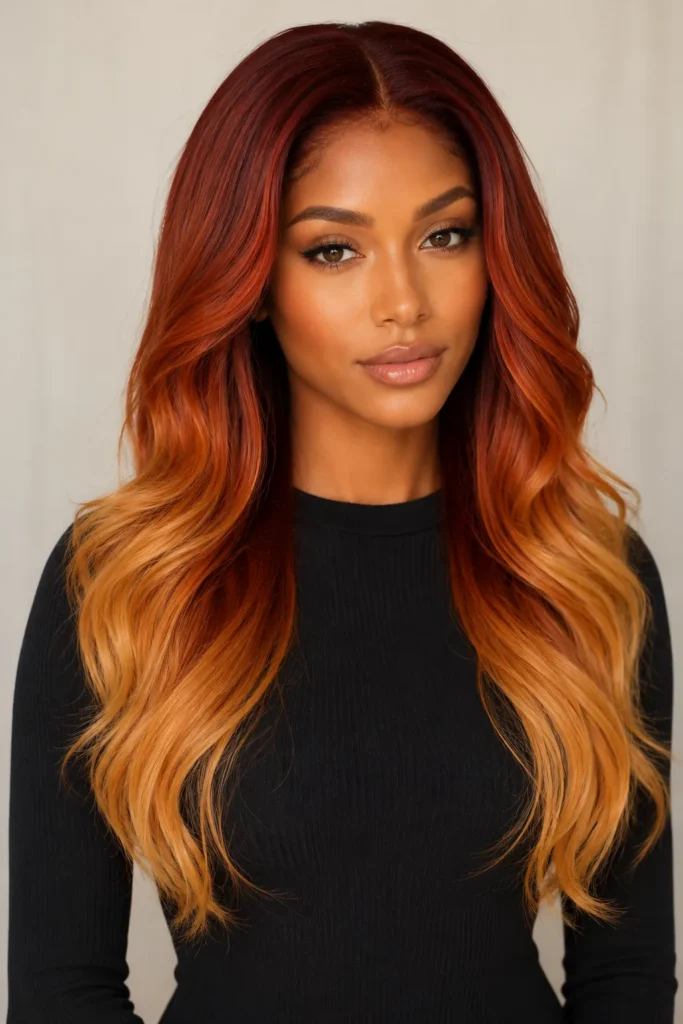
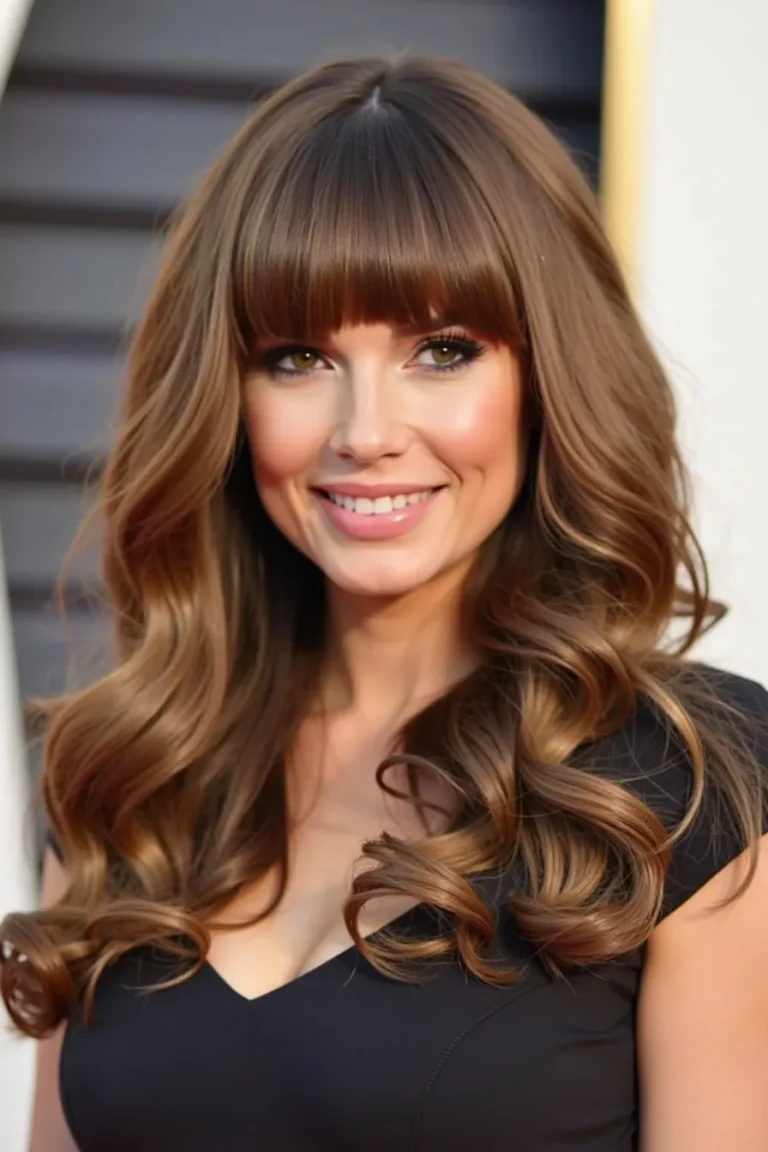
Copper is the breakout shade of summer 2026 in salons across the US, and the copper to gold ombre wig brings that same vibrant energy without the salon chair. The wig starts with a rich deep copper red at the roots and transitions into a warm golden amber at the ends, creating a fiery, light-catching gradient that looks completely intentional and on-trend.
This is the boldest of the three ombre wig options but still entirely wearable because the gold ends soften the intensity of the copper base. It suits the same skin tones as the salon copper balayage, warm and neutral undertones and looks particularly striking on medium and olive complexions where the amber tones create a warm, vibrant contrast. Wavy or curly textures enhance the dimensional quality of the color, with each wave catching the copper and gold tones differently in summer light.
Best for: Women with warm or olive undertones who want a bold, trend-forward color without the commitment of salon copper. Works on all hair lengths.
What to look for: True copper root (not orange-red). Warm gold ends, not yellow. Wavy or body-wave texture to maximize color dimension. Human hair blend recommended for the most realistic sheen. Heat-resistant for curling iron use.
16. Dark Root to Caramel Ombre Wig
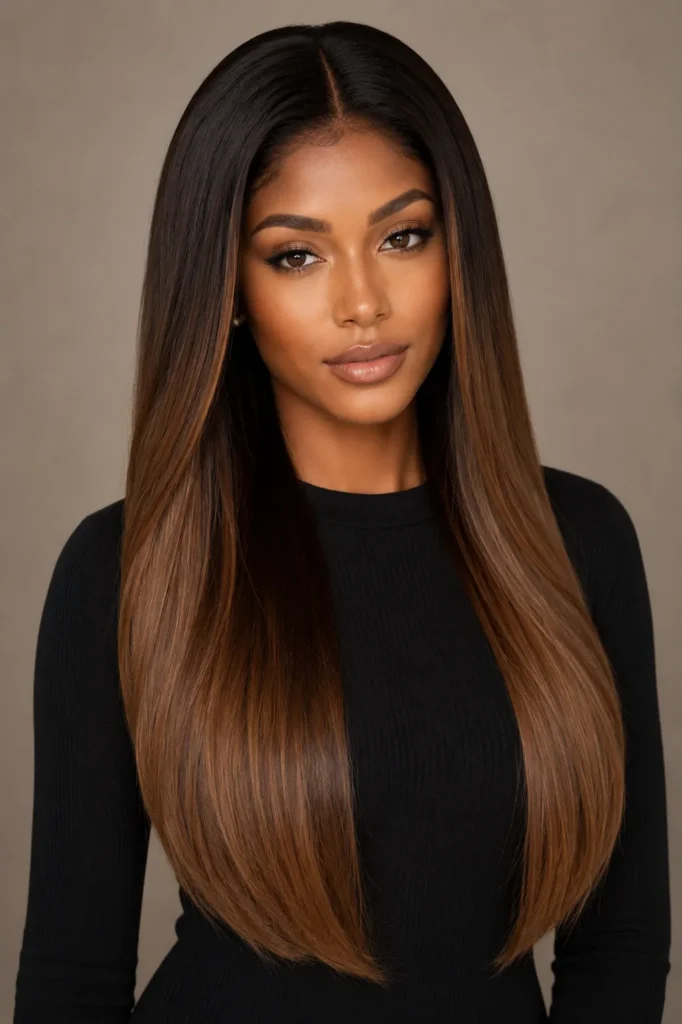
The dark root to caramel ombre wig is the most low-maintenance and universally flattering of the three options. It mirrors the dimensional brunette and caramel balayage looks that are the top performers in US salons this season a deep espresso or dark brown root fading softly into warm caramel mid-lengths and ends. The result is rich, polished, and professional enough for any setting while still carrying that dimensional summer warmth.
This style is particularly well-suited to women who want a natural-looking color change that does not read as obviously colored or wigged. The dark root ensures the hairline and part look convincing, and the caramel gradient stays within the brown family so the overall result reads as naturally sun-enhanced rather than highlighted. It suits the widest range of skin tones of any ombre wig olive, medium, and deep complexions all benefit from the warmth of the caramel ends.
Best for: Women of all skin tones, especially olive and deep complexions, who want a natural-looking dimensional color. Best entry point for first-time wig wearers.
What to look for: Deep brown or espresso root (not black). Warm caramel ends, not orange. Full lace or lace front for natural parting. 130–150% density for realistic thickness. Human hair recommended for the most natural movement and styling options.
17. Dimensional Brunette Balayage
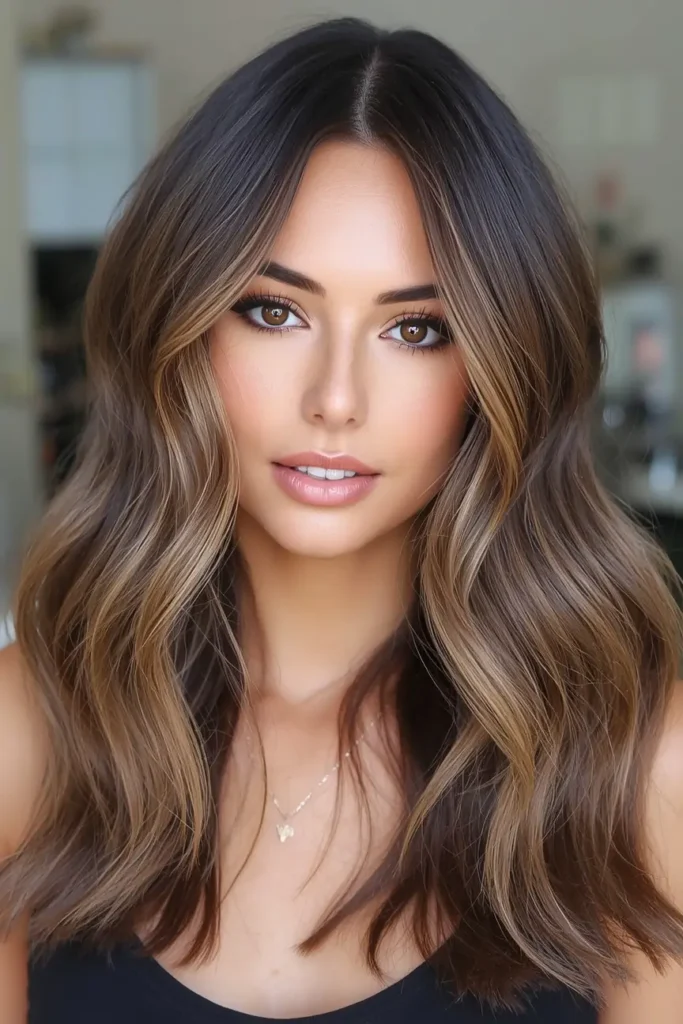
The dimensional brunette keeps all tones within the brown family. A mix of warm medium brown, light chestnut, and subtle caramel tones are blended through a dark brunette base to create depth and movement without any blonde. The result is hair that looks richer and more alive than single-process brown but never obviously highlighted.
This is the most-saved brunette hair color on Pinterest in 2026. Women who have been blonde and want to go back to brunette consistently choose this technique because it gives brown hair the same kind of visual interest that blonde provides without the maintenance.
Best for: Dark brunettes of all skin tones. Women transitioning from blonde back to brunette.
What to ask for: “A dimensional brunette with all tones within the brown family. I want depth and movement, not highlights. Mix warm and cooler brown tones for dimension.”
18. Balayage for Fine Hair
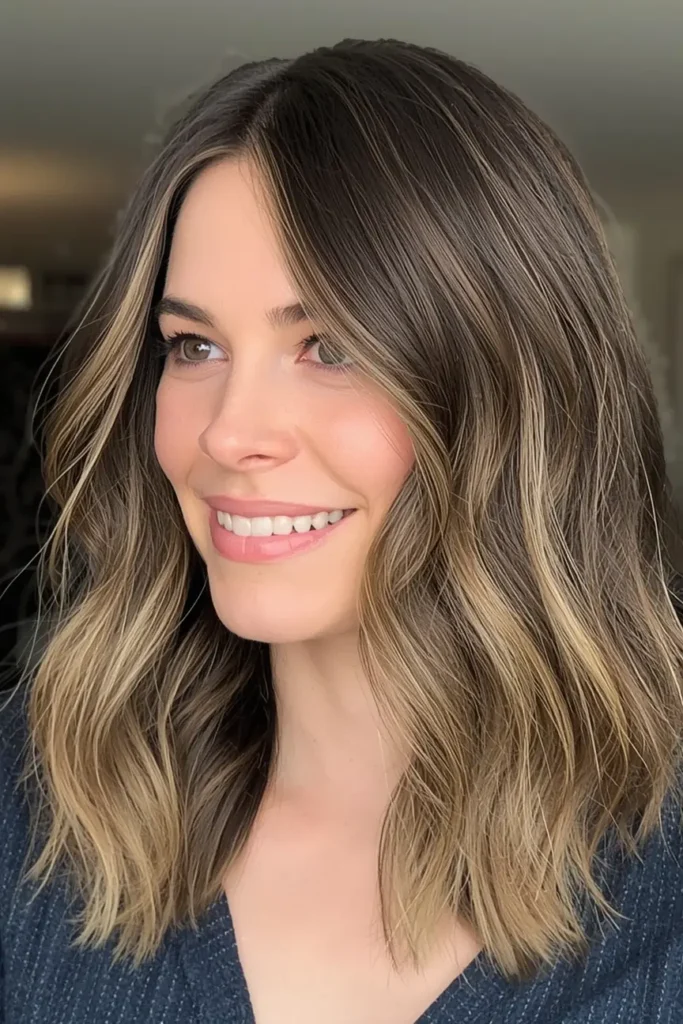
Fine hair needs a specific balayage approach to avoid looking flat or washed out. The technique uses finer sections and lighter placement to add the appearance of volume and thickness rather than the heavy-handed sweeping application that suits thicker hair.
Face-framing placement is the priority for fine hair because it adds visual interest without overwhelming the thinner strands. Babylights woven through the crown area create the illusion of fullness. The colorist should avoid heavy placement at the ends of fine hair because it can make thin ends look even more sparse.
Best for: Fine or thinning hair at any length. Focus on face-framing and crown placement.
What to ask for: “A fine-hair balayage with lighter placement, focus on face-framing and crown babylights to create the illusion of volume. Avoid heavy end placement.”
19. Balayage for Thick Hair
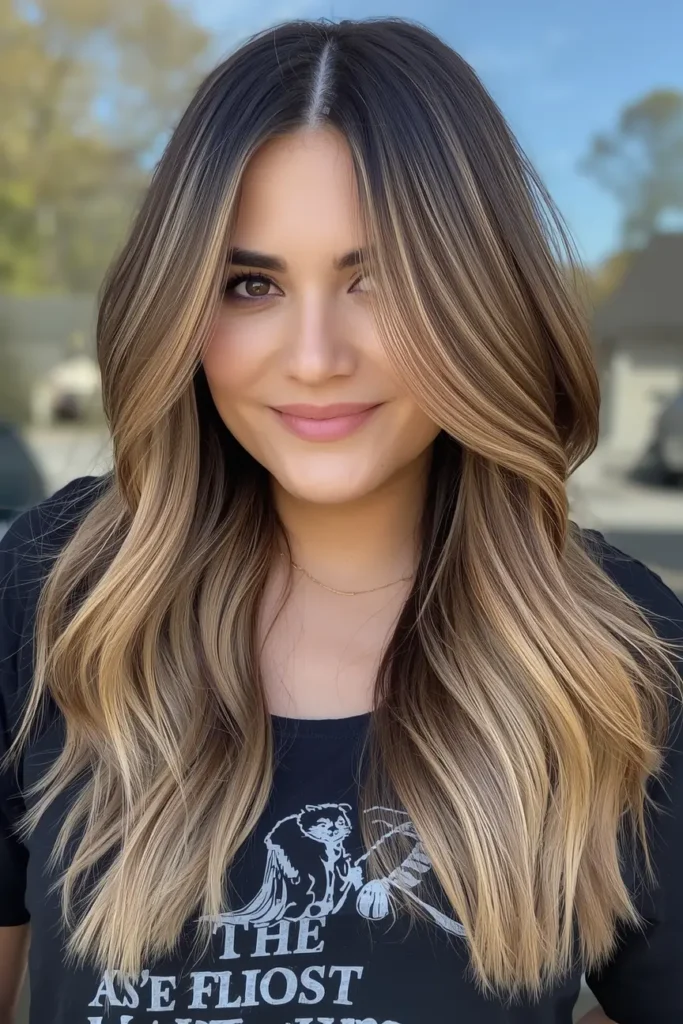
Thick hair benefits from a bolder balayage placement because the density of the hair means lighter tones need to be more generously applied to be visible. A heavy-handed balayage sweep through the mid-lengths creates the movement and lightness that thick hair loses at length.
Interior placement through the underneath sections of thick hair adds dimension that is visible when the hair moves but hidden when it sits still. This creates a richer, more three-dimensional color result than surface-only placement.
Best for: Very thick or dense hair at any length.
What to ask for: “A generous balayage with visible placement through the mid-lengths and ends, plus some interior placement in the underneath sections for dimension when the hair moves.”
20. Balayage for Curly Hair
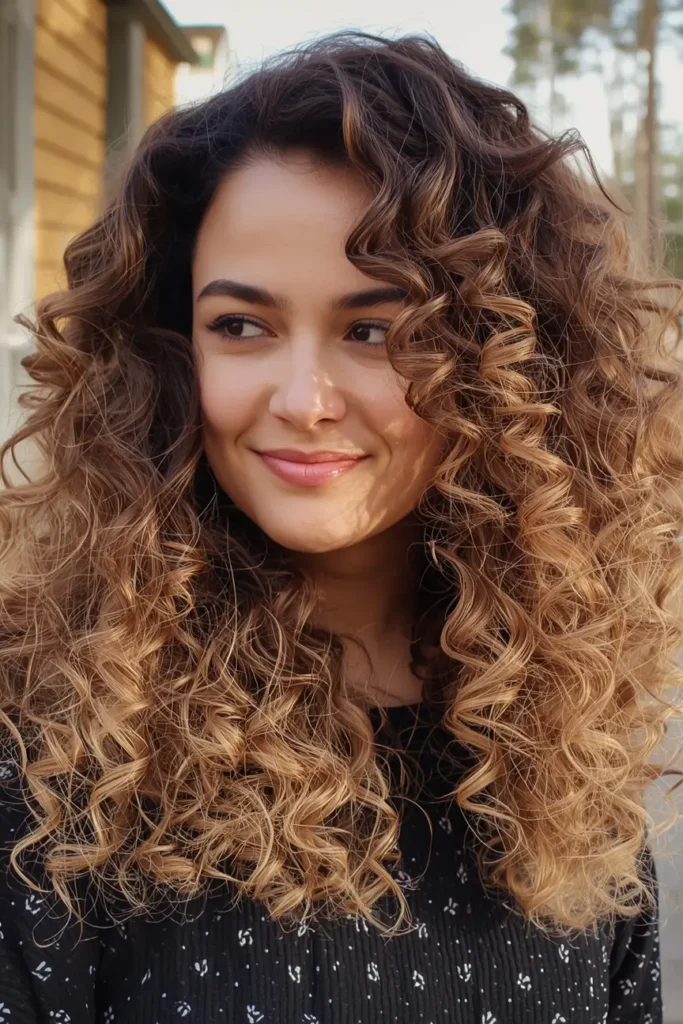
Curly hair and balayage work together beautifully because each curl reflects light from a different surface and the balayage tones appear to multiply across the curl pattern. The technique for curly hair places the lightener through the mid-shaft of each curl section, avoiding the very roots and very tips.
The result on curly hair is more dimensional than on straight hair because the three-dimensional structure of curls catches light at every angle. Frizzy ends are avoided by leaving the tips of the curls slightly darker. A curl-specific gloss treatment after the balayage service enhances the color depth and reduces frizz.
Best for: 2A to 3C curls at any length. Works with natural curl patterns rather than against them.
What to ask for: “A curly hair balayage with placement through the mid-shaft of each curl section, avoiding the tips. I want dimension without frizzy ends.”
21. Balayage for Short Hair
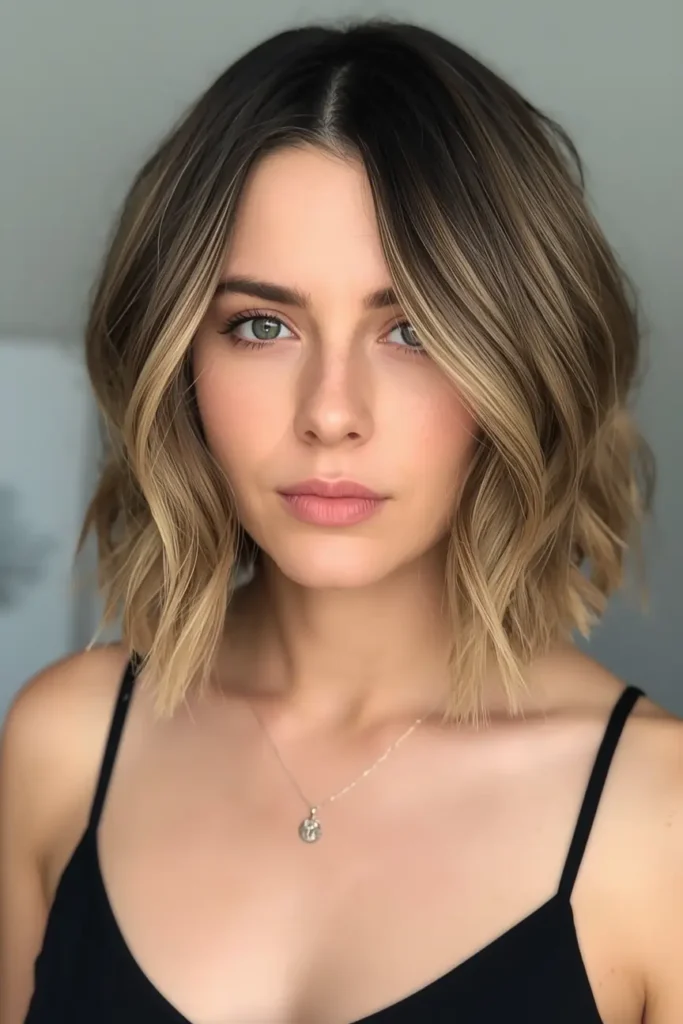
Short hair balayage is one of the most underserved topics in every balayage guide online. The technique on short hair uses finer, more precise sections than on long hair because the smaller surface area requires more intentional placement. Face-framing pieces carry more weight on short hair because they are the most visible sections.
The lob and bob get the best balayage results at short lengths because the collarbone-length perimeter gives the color enough room to show a gradient. Very short hair, such as a pixie, can have balayage placed through the top and crown sections only.
Best for: Bob, lob and layered short cuts. All hair types.
What to ask for: “A short hair balayage with precise face-framing placement and lighter tones through the ends of my bob. I want the color to enhance the shape of the cut.”
22. Root Melt Balayage
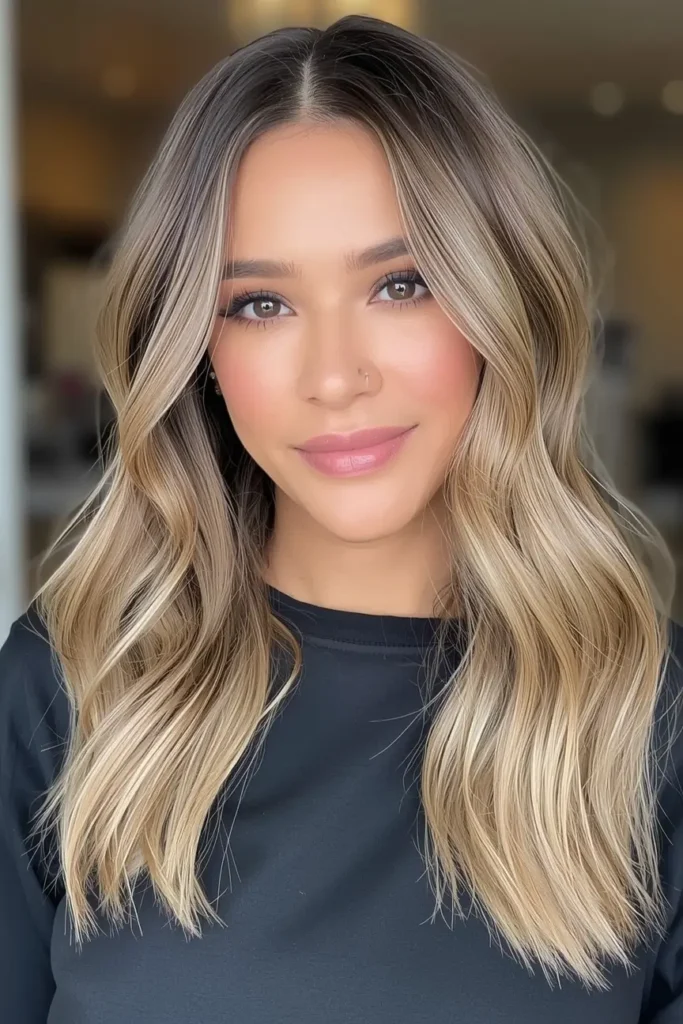
A root melt blends the natural root color into the balayage tones below using a shadow root technique. Instead of a sharp line between the darker roots and the lighter mid-lengths, the colorist uses a darker toner or gloss at the root area to create a seamless, blurred transition.
The root melt is the detail that separates a professional-looking balayage from an amateur one. It is also the technique that extends the life of the service because the blended root transition grows out without ever creating a visible line. Most top US colorists include a root melt as standard in every balayage service.
Best for: Any balayage service on any hair type. The most important technical detail for a natural result.
What to ask for: “Please include a root melt or shadow root with my balayage so the transition from my natural roots to the lighter tones is completely seamless.”
23. Gloss Finish Balayage
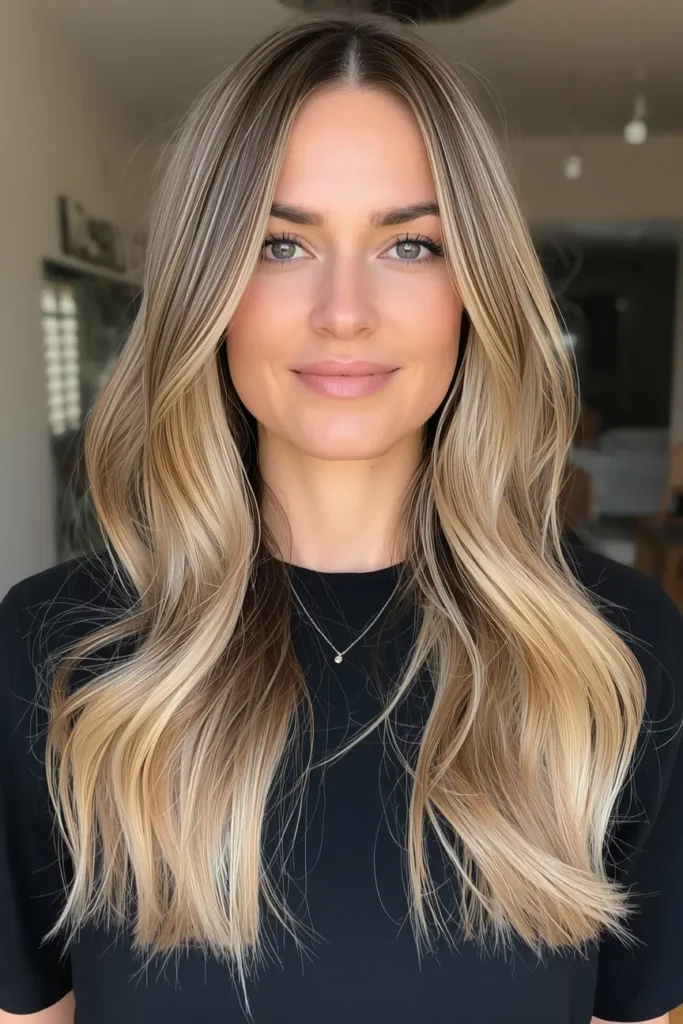
A gloss treatment applied over the finished balayage adds a layer of semi-permanent color that tones the highlights, adds shine, and extends the life of the service. The gloss seals the hair cuticle and creates a reflective finish that makes the balayage look significantly more expensive than the same color without it.
A clear gloss adds shine without changing the color. A tinted gloss corrects tone — ash gloss neutralizes brassiness, golden gloss adds warmth. Most colorists apply a gloss as the final step of every balayage service. Requesting one specifically ensures it is included. At-home glossing products can refresh the tone every four to six weeks between salon visits.
Best for: Any balayage service. Particularly important for maintaining ash and cool-toned balayage.
What to ask for: “Please finish my balayage with a gloss treatment to add shine and tone the highlights. I want a [warm/cool/neutral] result.”
24. Balayage for Blonde Hair
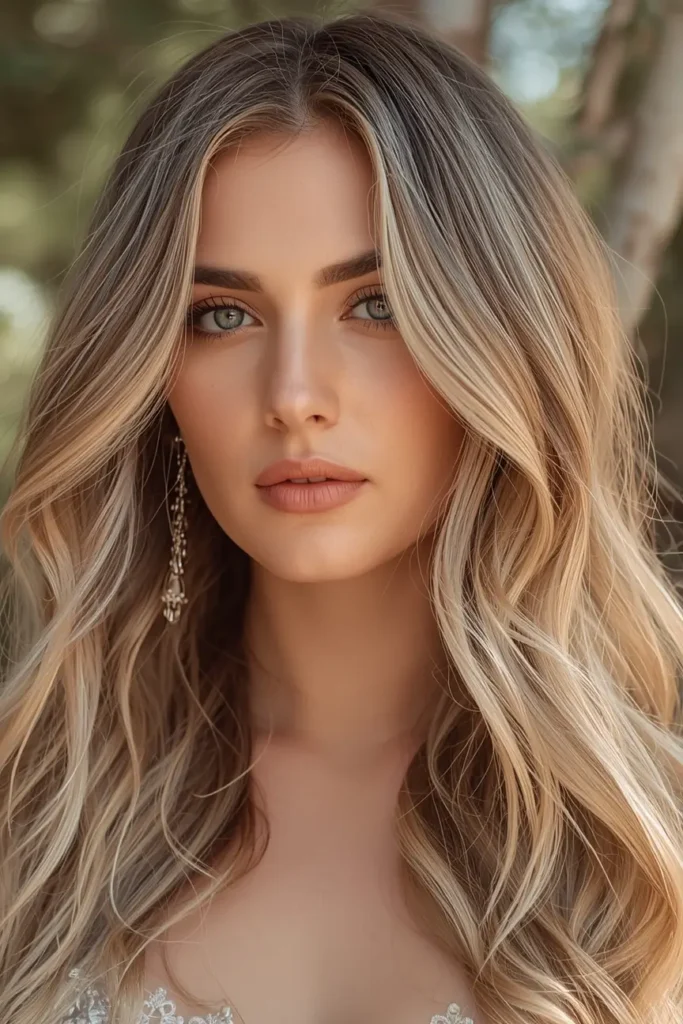
Blonde hair balayage adds dimension to an already-light base rather than creating contrast from dark to light. The technique places slightly lighter or different-toned blonde sections through the mid-lengths to prevent the flat, one-dimensional quality that single-process blonde can develop over time.
The most effective blonde-on-blonde balayage in 2026 uses a mix of warm and cool blonde tones rather than uniform lightness throughout. A slightly warmer honey blonde woven through a cooler ash blonde base creates natural-looking depth that reads as healthy, multi-tonal hair rather than colored hair.
Best for: Existing blondes wanting to refresh and add dimension. All skin tones with blonde hair.
What to ask for: “A blonde balayage to add dimension to my existing blonde. Mix warm and cool tones to create natural depth rather than uniform lightness.”
25. Soft Pastel Balayage Accents
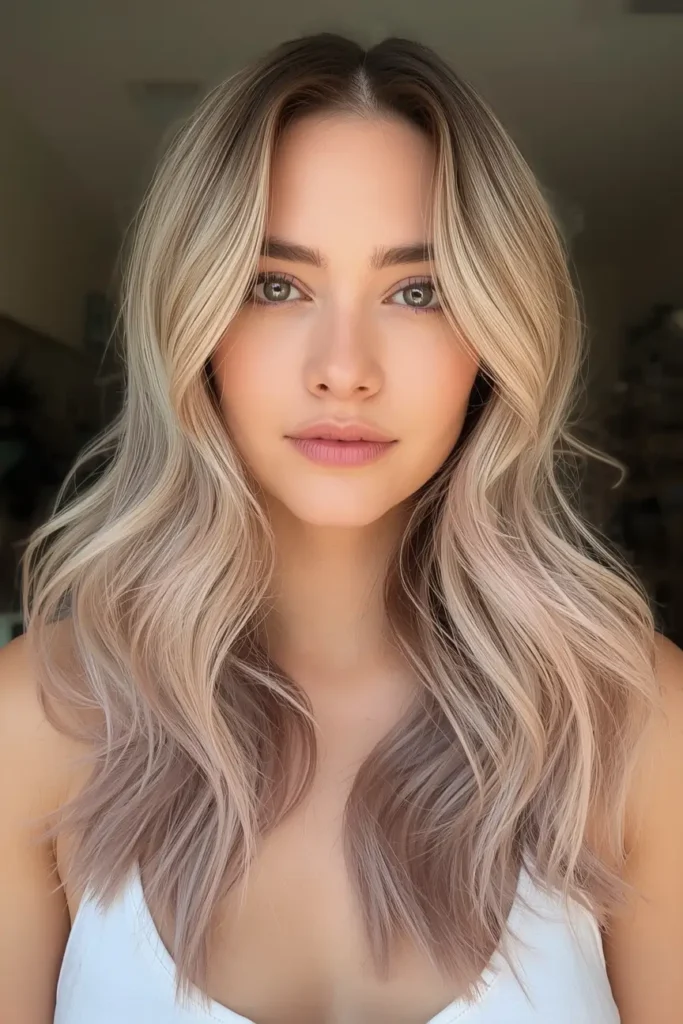
For the more adventurous summer balayage client. Soft pastel tones — dusty rose, lavender, muted peach or soft sage — are applied sparingly through the ends of a balayage service as accent tones. The pastel sits over a lightened base and fades gradually over four to six weeks, meaning the commitment is temporary.
The pastel accent approach is the gateway to fashion color for women who want to try something creative without a full transformation. The muted, dusty quality of the pastels keeps the result wearable rather than obviously bold.
Best for: Light brunettes and blondes who want a creative summer update. Younger aesthetic.
What to ask for: “A balayage with a soft pastel accent in [dusty rose/lavender/muted peach] through the ends. I want it subtle and faded-looking, not vivid.”
26. Balayage for Women Over 40
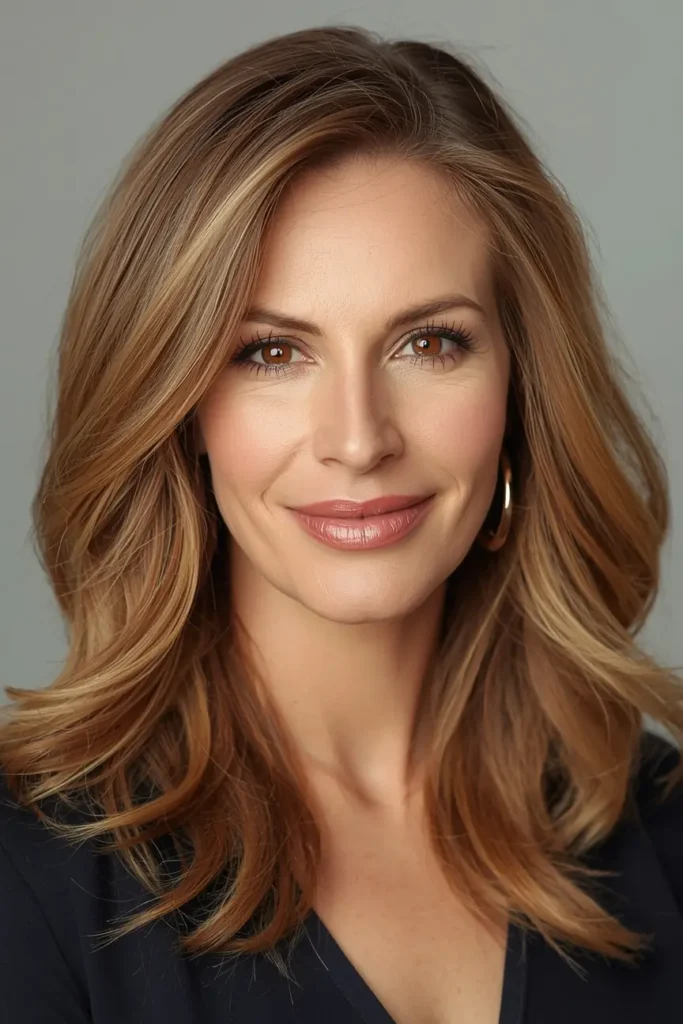
Balayage for women over 40 uses a specific approach that maximizes the brightening and lifting effect around the face while keeping the overall color natural and age-appropriate. Heavier face-framing placement combined with a slightly lighter root shadow creates a brightening effect that softens features without the harshness of a full highlight.
The shade choice matters more at this stage. Warm honey and golden tones add vitality and warmth to the complexion. Ash and cool tones can sometimes add an aging quality if not applied carefully. A gloss treatment every six to eight weeks keeps the color vibrant and prevents dullness.
Best for: Women over 40 with any hair type. Particularly good for fine hair that has lost density.
What to ask for: “A face-brightening balayage with heavier placement around the face and a soft root shadow. I want warm tones that add vitality and freshness.”
27. Low-Maintenance Summer Balayage
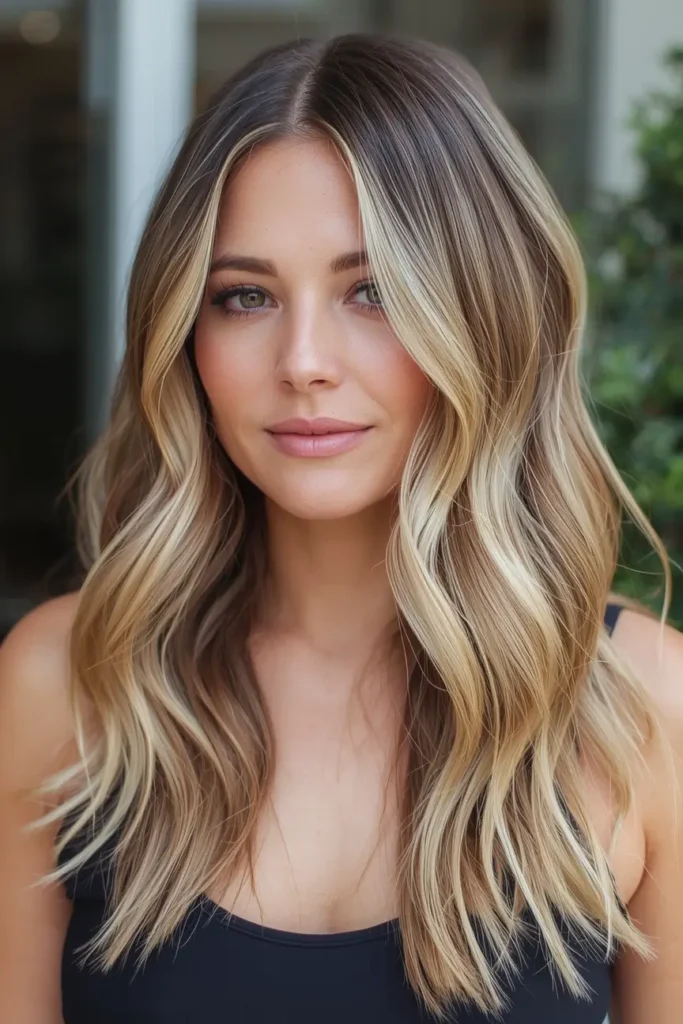
Designed specifically for women who want beautiful summer color but cannot commit to frequent salon visits. The low-maintenance balayage uses a slightly deeper, more neutral shade placement that fades gradually without going brassy. Combined with a root melt and a gloss finish, this version can go 12 to 16 weeks between appointments without any obvious regrowth.
The key is shade selection. Warm golden tones fade to brassy faster than neutral or slightly cool tones. A neutral caramel or sandy blonde placement fades most gracefully over the summer season without needing toning or touch-up appointments.
Best for: Busy women. Women who travel frequently in summer. Anyone who wants beautiful color with minimal upkeep.
What to ask for: “A low-maintenance balayage with neutral shade placement and a root melt. I want it to grow out gracefully for at least 12 weeks without touch-ups.”
28. Summer Refresh Balayage Gloss
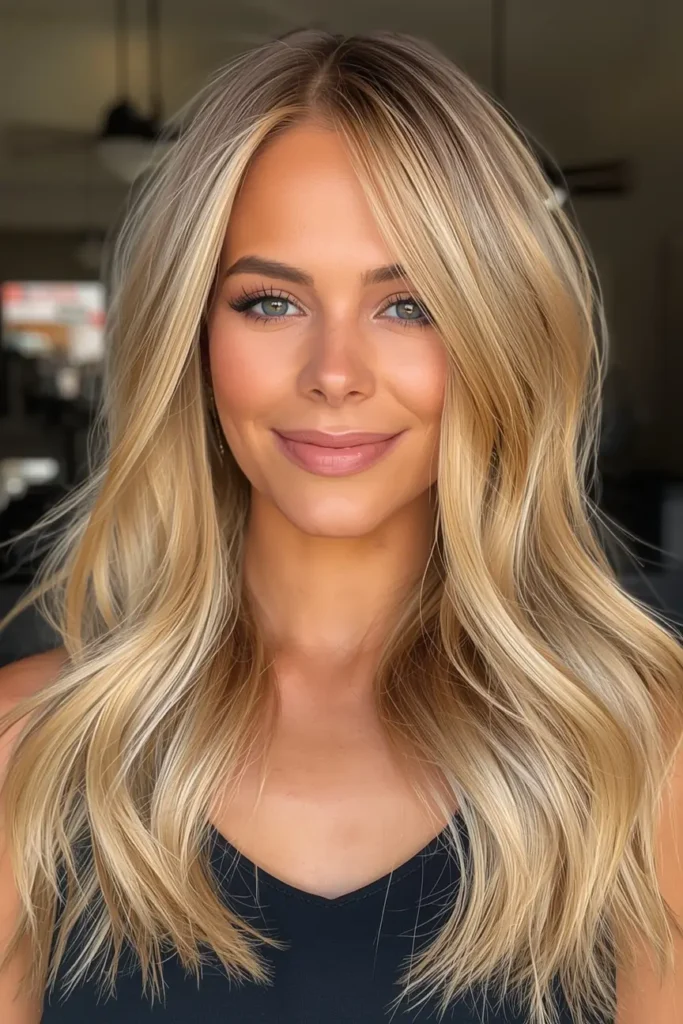
For women who already have a balayage but need a summer refresh rather than a new service. A toning gloss applied over existing balayage brightens faded tones, corrects any brassiness from sun exposure, and restores the shine and vibrancy of the original color. It takes 30 to 45 minutes in the salon and costs significantly less than a full balayage service.
A golden gloss warms and brightens faded honey tones. An ash gloss neutralizes brassiness in blonde balayage. A clear gloss adds pure shine to any tone. This service is the smartest summer investment for anyone with existing balayage who just needs their color to look fresh again.
Summer Balayage by Skin Tone
Choosing the right balayage shade for your skin tone makes more difference than most women realize. The right shade makes your complexion look brighter and your eyes more defined. The wrong shade can make skin look washed out or sallow.
Here is a breakdown by skin tone and undertone:
- Fair skin with cool undertones: Ash blonde, soft platinum, cool beige blonde, pearl highlights
- Fair skin with warm undertones: Honey blonde, golden caramel, soft amber, warm vanilla
- Medium skin with neutral undertones: Sandy blonde, balanced caramel, bronde, warm beige
- Medium skin with warm undertones: Copper balayage, golden honey, rich caramel, butterscotch
- Olive skin with warm undertones: Dark caramel, bronze accents, warm mocha, golden brunette
- Deep skin with warm undertones: Espresso with dark caramel, subtle bronze, rich warm brown
- Deep skin with cool undertones: Ash brown, dark chocolate, mushroom brunette, deep taupe
The general rule is to stay within two to three shades of your natural base color for a summer balayage. Going too light too quickly creates an unnatural result and requires more damage to the hair. A gradual approach over two appointments gives the most dimensional, realistic sun-kissed result.
Balayage by Hair Type: What to Expect
How balayage behaves depends significantly on your hair type. Understanding this prevents disappointment.
Fine hair: Balayage adds the appearance of volume and thickness. Use lighter placement to avoid weighing down fine strands. Face-framing and crown placement are the priority.
Thick hair: Requires more generous placement to show through the density. Interior sections should also be colored so the dimension is visible when hair moves.
Wavy hair: The natural texture enhances the dimensional quality of balayage. Each wave catches light differently and multiplies the visual effect of the color.
Curly hair: The three-dimensional structure of curls makes balayage look more dimensional than on straight hair. Mid-shaft placement gives the best result on curly hair.
Straight hair: The most precise result because the flat surface shows exactly where color was placed. Every placement decision is more visible on straight hair.
Summer Balayage Maintenance Calendar
Appointment day: Get a root melt and gloss finish included in the service. Avoid washing hair for 48 hours to let the color settle.
Weeks one to four: Use a sulfate-free color-safe shampoo. Wash in cool water rather than hot. Apply a weekly hair mask to maintain moisture and prevent color from looking dull.
Weeks four to eight: Apply a toning gloss at home if blonde tones are looking brassy. A warm golden gloss refreshes honey and caramel tones. An ash or purple-tinted product neutralizes brassiness in blonde balayage.
Weeks eight to twelve: Schedule a gloss appointment at the salon if you want to extend the service. This is cheaper than a full balayage and restores color vibrancy for another six to eight weeks.
Weeks twelve to sixteen: Book a full balayage refresh if needed. Most low-maintenance balayage clients go 12 to 16 weeks between full services.
How to Protect Summer Balayage From Fading
Summer is the hardest season for colored hair. UV exposure, chlorine, saltwater, and heat all contribute to color fading faster than at any other time of year.
Apply a UV protectant hair product before sun exposure every time. This is the single most effective step for preserving balayage color in summer and it is the most consistently skipped. Rinse hair with fresh water before swimming in a pool because saturated hair absorbs less chlorine than dry hair. Wear a loose braid or bun in the pool to minimize surface exposure. Rinse immediately after swimming and apply a leave-in conditioner.
Wash hair in cool or lukewarm water rather than hot. Hot water opens the hair cuticle and releases color pigment every time you wash. Reduce washing frequency to two to three times per week. Dry shampoo at the roots between washes extends freshness without stripping the color at the ends.
FAQs
How long does summer balayage last?
A well-applied summer balayage lasts 10 to 16 weeks depending on the shade chosen and how well the hair is maintained. Low-maintenance neutral shades and a root melt extend the service the longest.
What is the most popular summer balayage color in 2026?
Honey blonde, copper balayage and the modern ombré revival are the three most requested summer balayage colors in US salons in 2026. Dimensional brunette is the most popular option for women who want to stay dark.
Does balayage damage hair?
Balayage uses lightener which does affect hair health. The hand-painted technique is generally less damaging than traditional foil highlights because fewer sections are processed. A bond-building treatment such as Olaplex added to the lightener significantly reduces damage.
How much does summer balayage cost in the US?
Summer balayage typically costs between 150 and 350 dollars in US salons depending on the location, the colorist’s experience, the length of the hair and the complexity of the service. A gloss or toning treatment adds 50 to 100 dollars to the service.
Can I get balayage on dark hair?
Yes. Dark hair can be balayaged but may require a stronger lightener and potentially more than one session to reach the desired tone without damage. A consultation with a colorist before booking is recommended for very dark or previously colored hair.