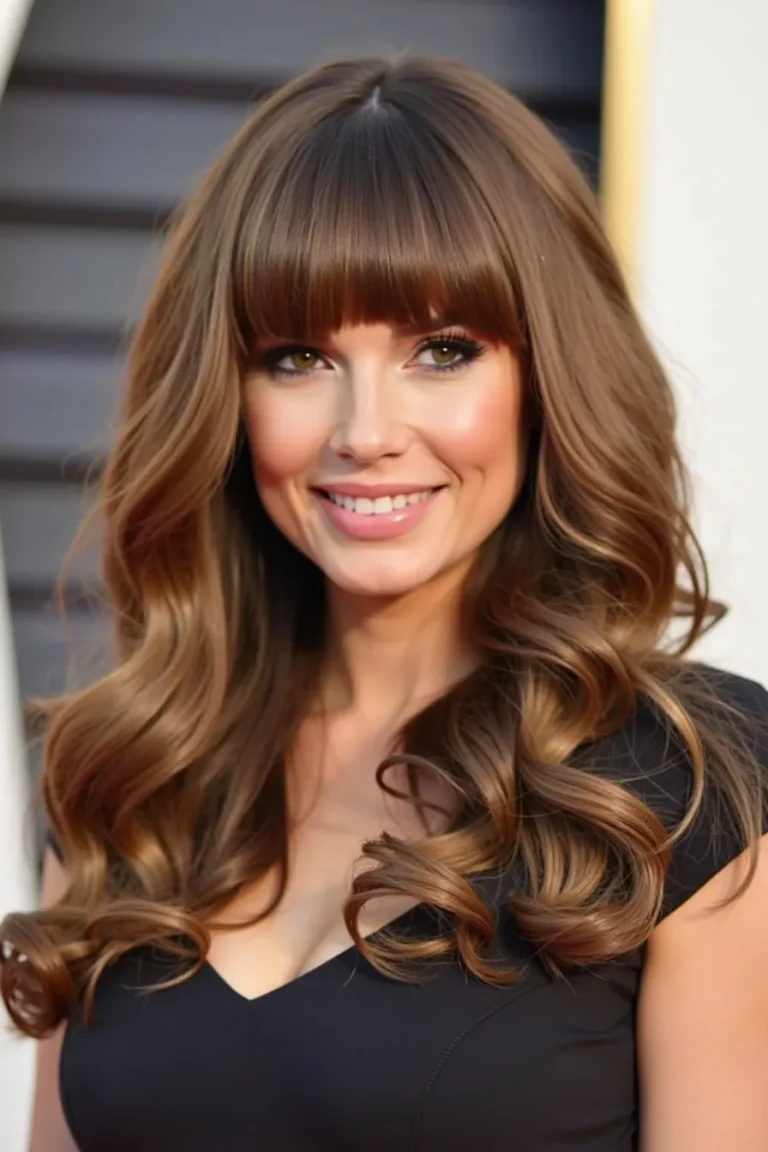
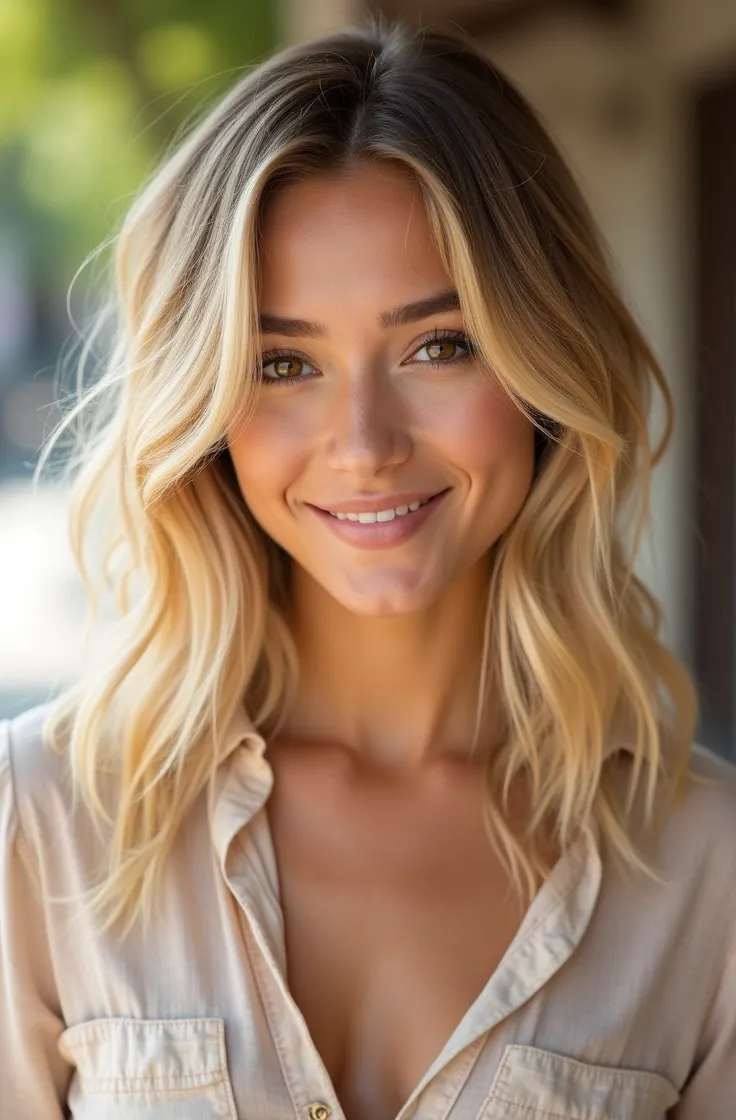
Modern Shag Haircut Styles in 2026
The shag haircut is having its best year yet — and not because it is trending. It is trending because it genuinely solves a problem that most haircuts do not. It adds volume where flat hair needs it, removes bulk where thick hair carries too much of it, works with waves and curls instead of fighting them, and grows out in a way that still looks intentional rather than neglected. That is a short list of things most haircuts cannot claim.
But here is the problem with every shag guide currently on the internet: they are all the same post. Thirty photos, a one-line description per look, and zero practical information about whether the cut will actually work on your hair, your face shape, or your lifestyle. You walk into the salon with a saved photo, your stylist asks three questions, and you leave hoping for the best.
This guide is different. It covers every modern shag variation worth knowing in 2026 — with the specific details that actually matter. What to ask your stylist. Which variation suits which face shape. How to style it based on your actual hair type. And what nobody tells you about the grow-out stages.
1. The Muted Shag
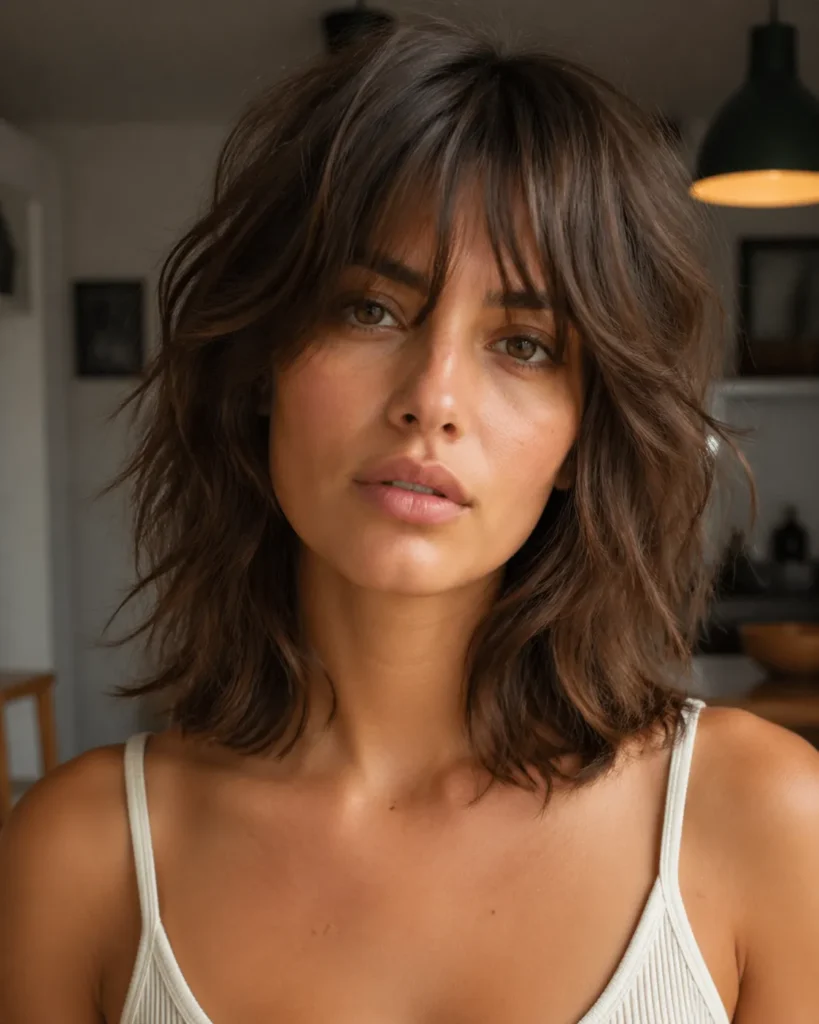
The biggest shag story of 2026. The muted shag is the original cut with the harshness taken out — softer outlines, barely-there layer separation, and an overall silhouette that looks like your hair just happens to fall perfectly. No hard edges, no obvious choppy ends. Just effortlessly good hair.
This is the variation seen on Suki Waterhouse and Miley Cyrus and the one that is dominating the spring-summer 2026 runway backstage. It works because it reads as natural rather than styled — the holy grail of 2026 hair.
Best for: All hair types. Particularly stunning on medium to fine hair with natural wave. Ask your stylist for: Soft, blended layers with a razor finish, no hard perimeter, and face-framing pieces rather than defined curtain bangs. Styling: Texturizing cream scrunched into damp hair, air dry or low-heat diffuse.
2. The French Shag
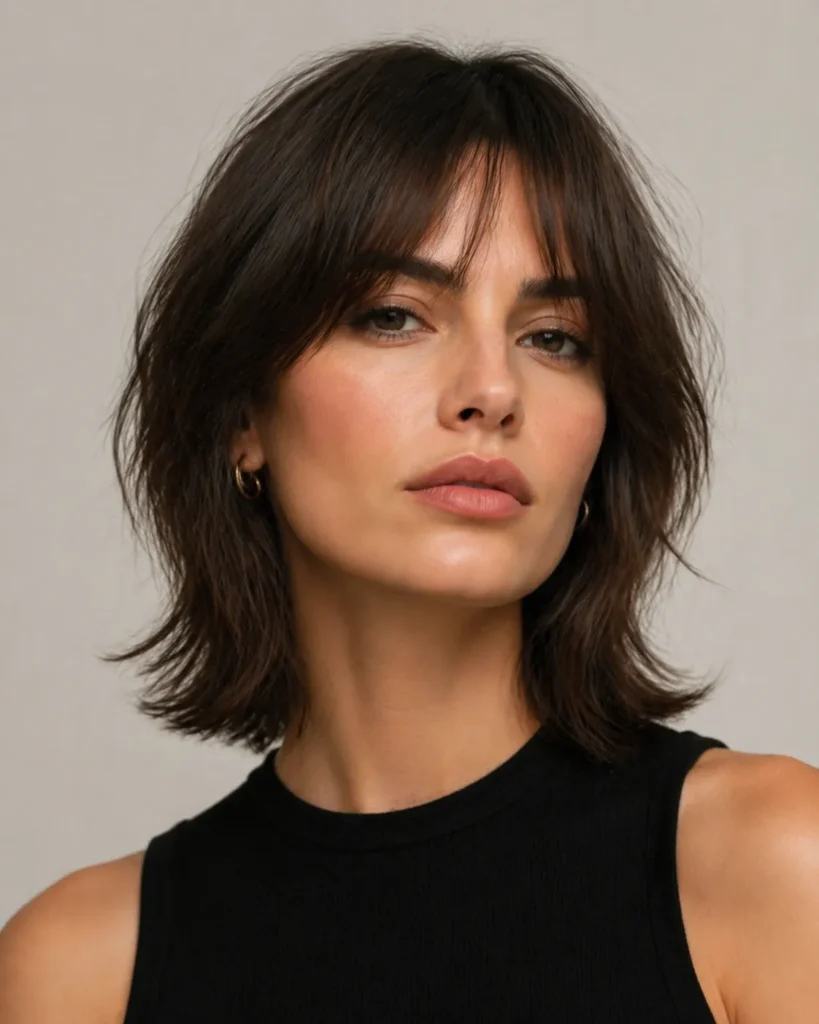
Parisian salons are doing something slightly different with the shag in 2026 — shorter, more precise, with a stronger emphasis on the perimeter shape. The French shag sits between a lob and a classic shag. The length lands between the chin and collarbone. The layers are internal rather than obvious, and the ends have a slight flip outward that references the classic French bob without fully committing to it.
This is the variation that looks most polished and least undone — the shag for women who love texture and movement but want something that reads more chic than disheveled.
Best for: Straight to slightly wavy hair. Oval and heart face shapes. Women who want the shag’s benefits without the messy aesthetic. Ask your stylist for: A shag-lob hybrid with internal layers, a slight flip on the ends, and a clean perimeter. Styling: Blow dry with a round brush, finish ends outward.
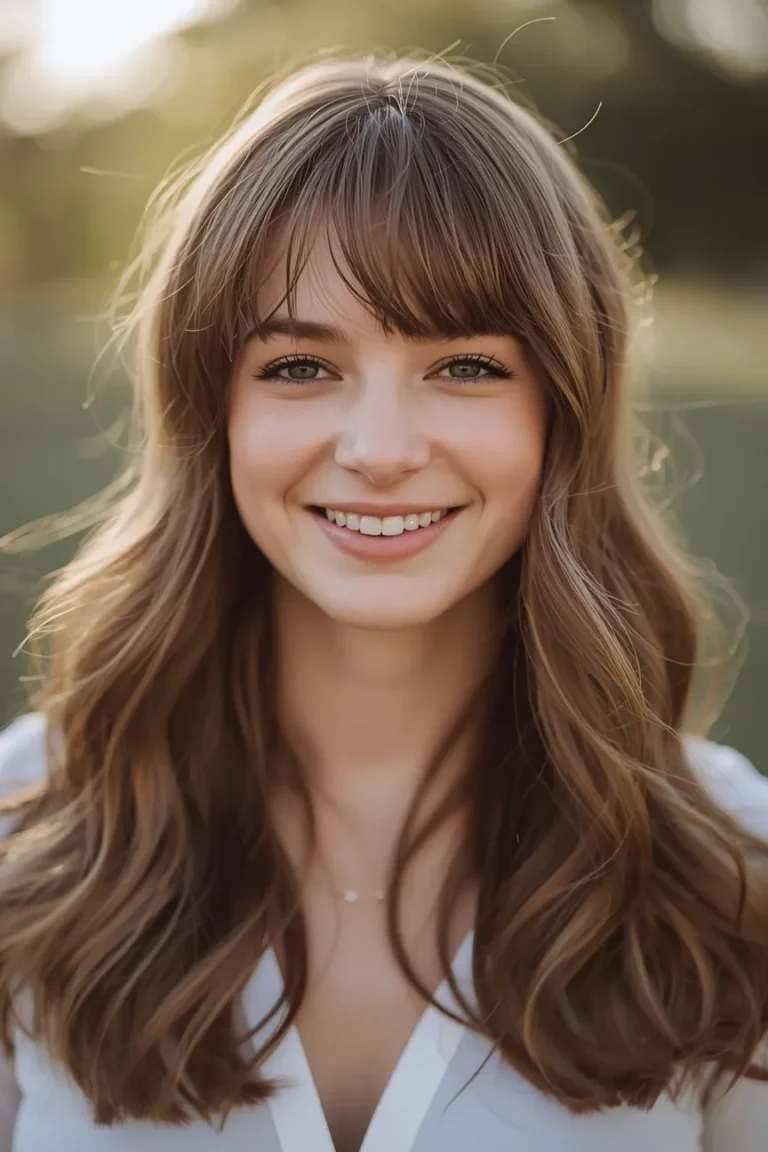
3. The Soft Shag With Curtain Bangs
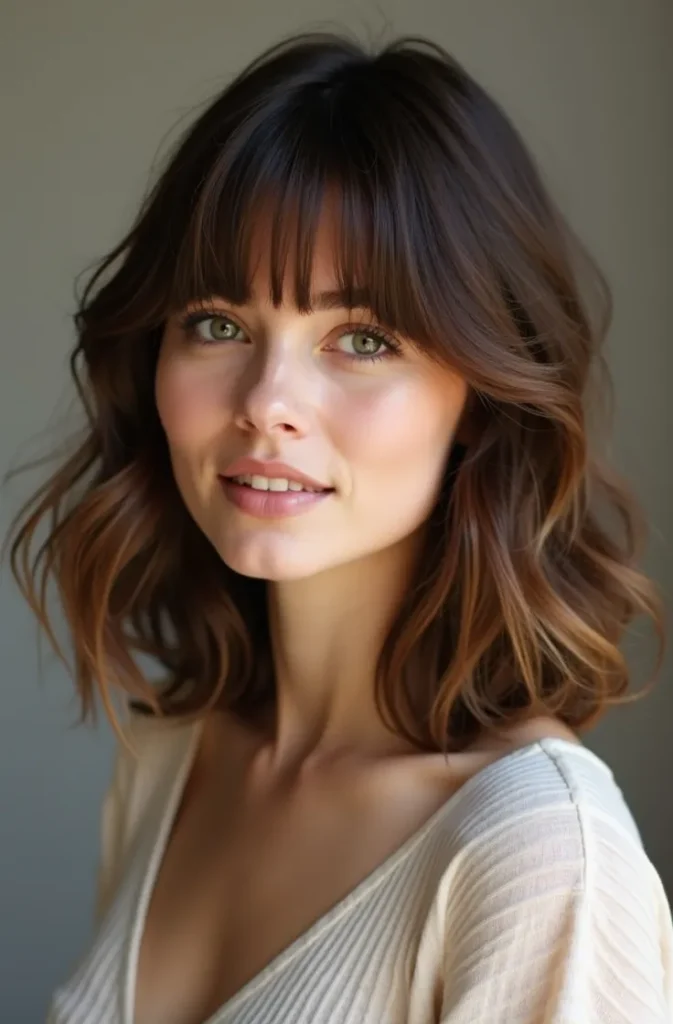
The most searched shag variation on Pinterest in 2026. Soft, face-framing curtain bangs paired with gentle shag layers that build volume through the mid-lengths and ends. The curtain bang opens in the center to frame the eyes and cheekbones without covering the forehead entirely.
This variation photographs exceptionally well because the curtain bangs add a focal point that draws attention to the face while the shag layers create movement in the background.
Best for: All face shapes. Especially flattering on oval, round and heart faces. Ask your stylist for: Curtain bangs that sit at eyebrow to cheekbone length, soft shag layers that start at the crown, and a razor finish. Styling: Blow dry bangs with a round brush in two directions (left half left, right half right) to create the center-parting effect. Scrunch the lengths.
4. The Dimensional Brunette Shag
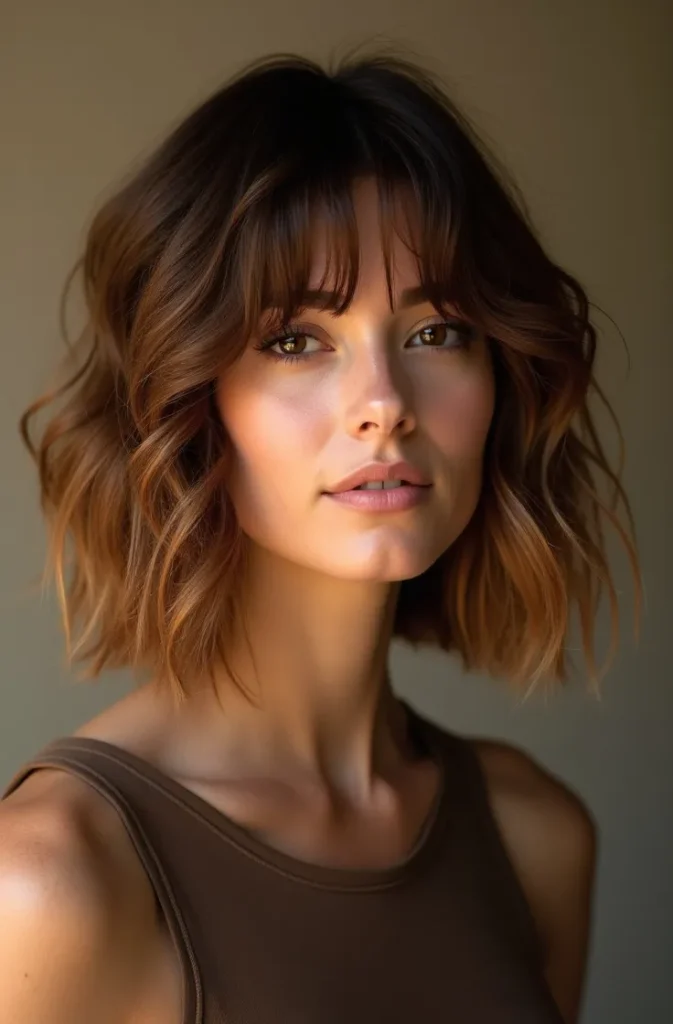
The most-saved color-cut combination on Pinterest right now. A warm brunette base with subtle babylights or face-framing highlights that make every layer catch the light differently. The dimensional coloring is what makes this shag look expensive — it adds depth to the layers and creates the impression of even more movement than the cut alone delivers.
The key is keeping the highlights subtle and warm-toned. Cool ash highlights compete with the lived-in shag aesthetic. Warm honey, caramel, and butterscotch tones enhance it.
Best for: Natural brunettes wanting a refresh without a full color overhaul. Ask your stylist for: A soft shag with face-framing babylights in honey or caramel, blended from mid-length to ends. Styling: A lightweight oil through the mid-lengths to enhance shine and color dimension.
5. The Honey Blonde Shag
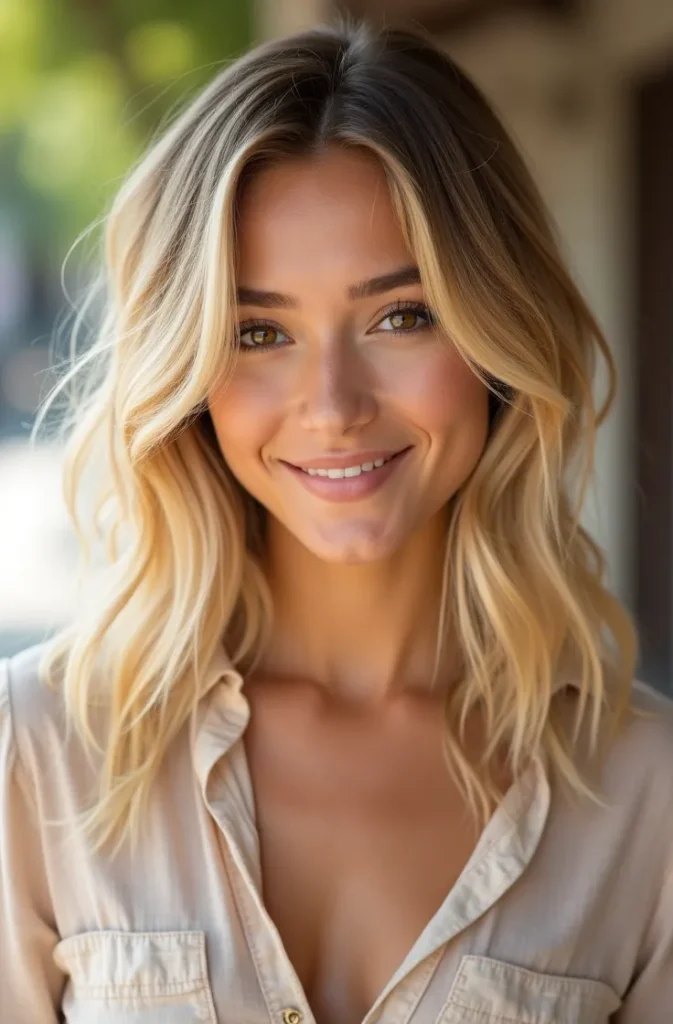
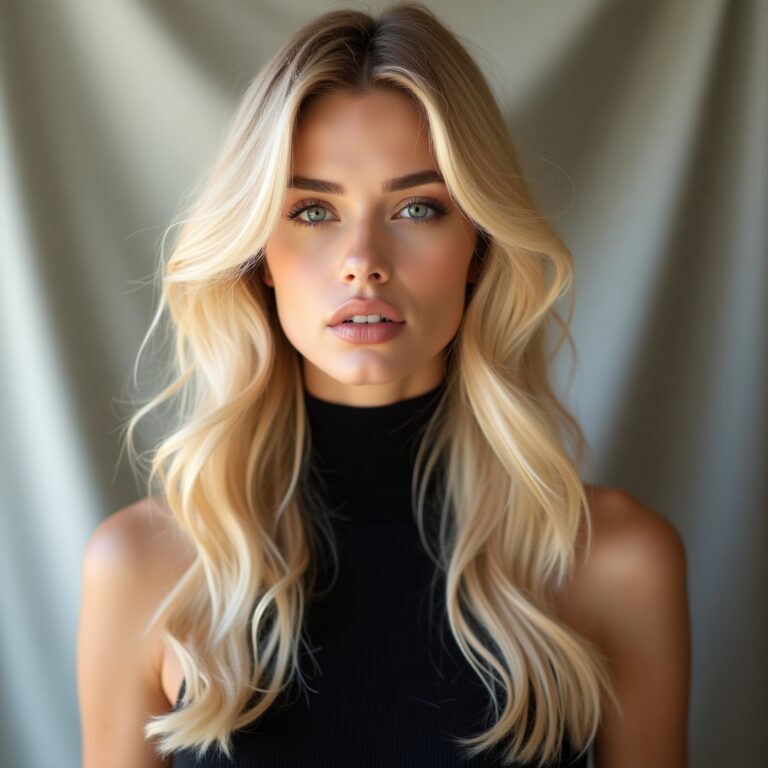
Blonde shags are everywhere in 2026 but the honey blonde version is the one performing best on Pinterest and in salons. The warm golden tone enhances the feathered ends of the shag, making each layer visible and distinct. The honey blonde also works across a wider range of skin tones than cooler platinum or ash blondes.
Best for: Fair to medium skin tones. Particularly flattering on warm or neutral undertones. Ask your stylist for: A shag with a honey blonde balayage, layers starting at the cheekbones, and a razor finish. Styling: A heat protectant spray and a 1.5-inch barrel curling iron to enhance the layers with loose waves.
6. The Silver Shag
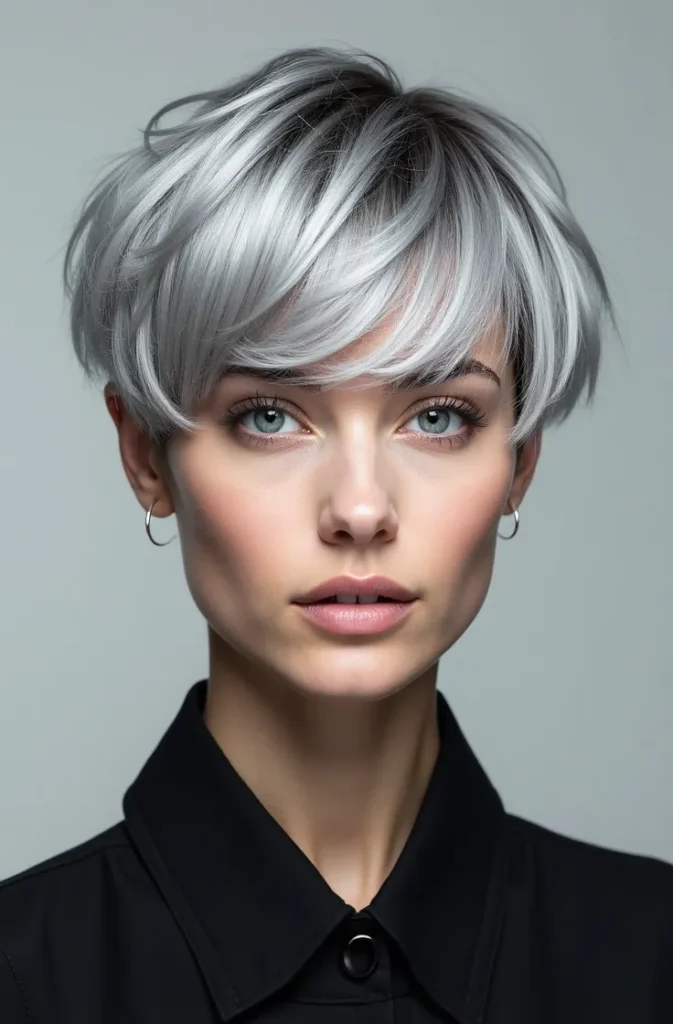
Gray and silver hair in a shag is not a compromise — in 2026 it is a deliberate, fashion-forward choice. The silver shag works because the cool metallic tone makes every layer visible and the overall effect is editorial rather than aging. The contrast between the darker roots and the silver lengths adds the same dimensional quality as babylights on brunette hair.
Best for: Women embracing natural gray or anyone wanting a bold silver transformation. All hair types. Ask your stylist for: A shag with natural or toned silver, layers that build volume at the crown, and a razor finish for maximum feathering. Styling: A purple toning shampoo once a week to maintain the cool silver tone. Texturizing spray for volume.
7. The Curly Shag
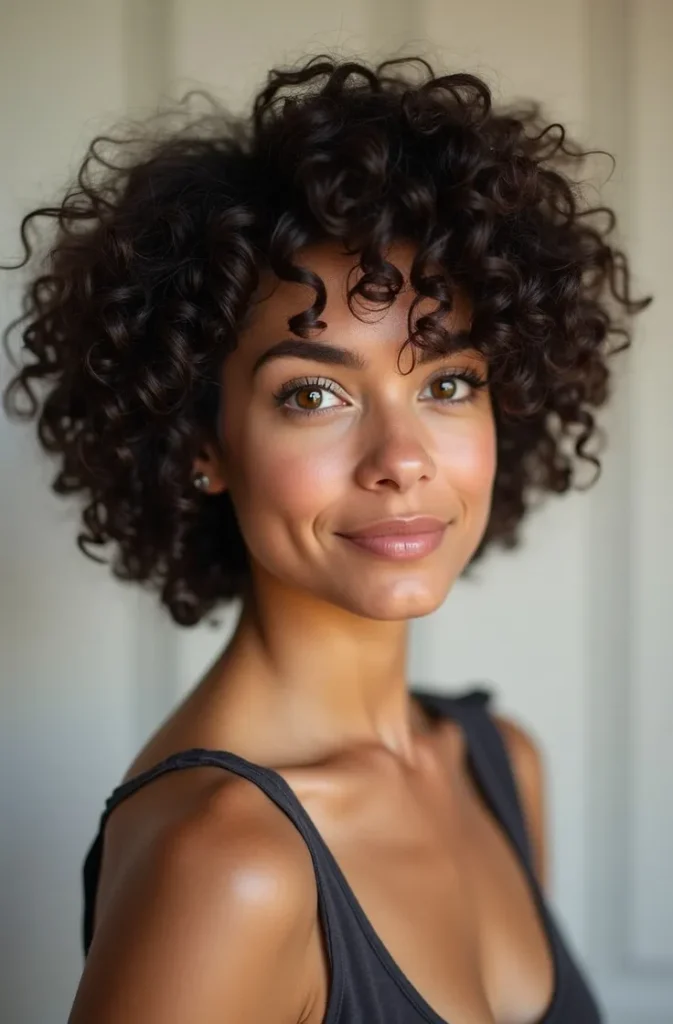
The shag designed specifically around a natural curl pattern rather than imposed on top of it. Longer, more gradual layers that reduce bulk without cutting into the curl shape. The result is a rounded, voluminous silhouette with defined curls throughout rather than a shapeless triangle.
The curly shag requires a stylist who understands curl cutting — ideally someone trained in the Deva Cut or similar curl-specific method. The cut is done on dry hair after the curl has fully formed so the stylist can see exactly where each layer will fall.
Best for: 3A–3C curls wanting shape, definition and reduced bulk without losing length. Ask your stylist for: A curly shag cut on dry hair, layers from the crown down with more gradual graduation, scissor cut only. Styling: A curl cream and diffuser on low heat to enhance curl definition without frizz.
8. The Pixie Shag
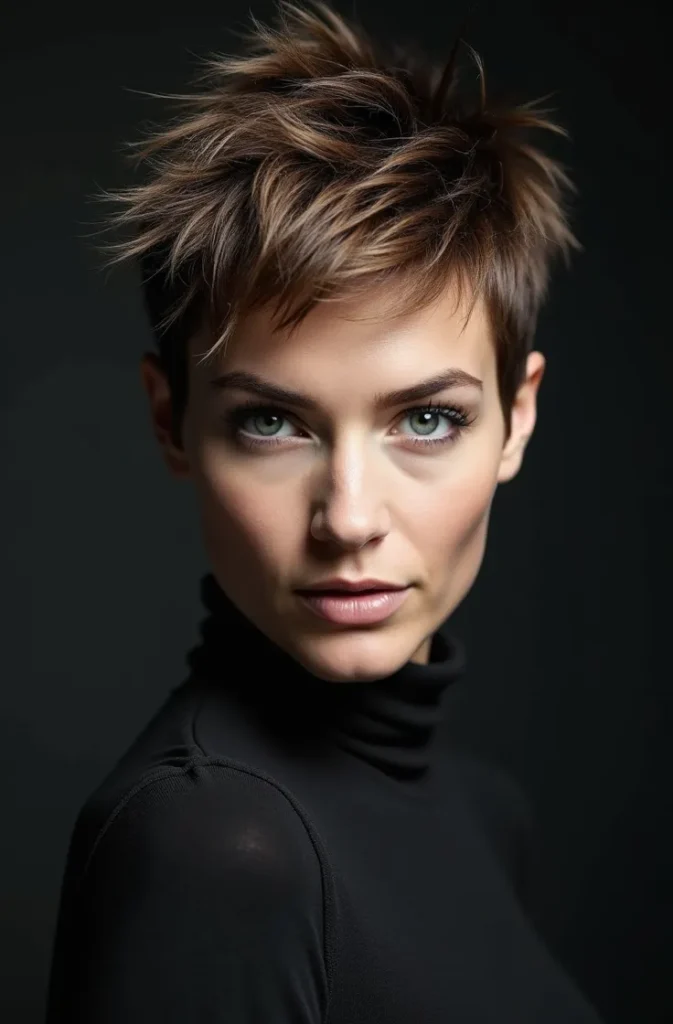
The shag for short hair — choppy, layered, full of personality. The pixie shag keeps length through the top and front while the sides and back are cut short and textured. The result has the pixie’s low-maintenance ease with the shag’s textural character.
This is one of the most fashion-forward cuts on the list and the one that requires the most commitment — it is genuinely short and the grow-out process takes time. But it is also the most effortless cut to style daily.
Best for: Women ready for a bold change. Fine to medium hair. Oval, heart and long face shapes. Ask your stylist for: A pixie shag with length through the top and crown, short textured sides, and a wispy fringe or no bang. Styling: A matte pomade worked through dry hair, fingers only, to separate the layers.
9. The Shag Mullet
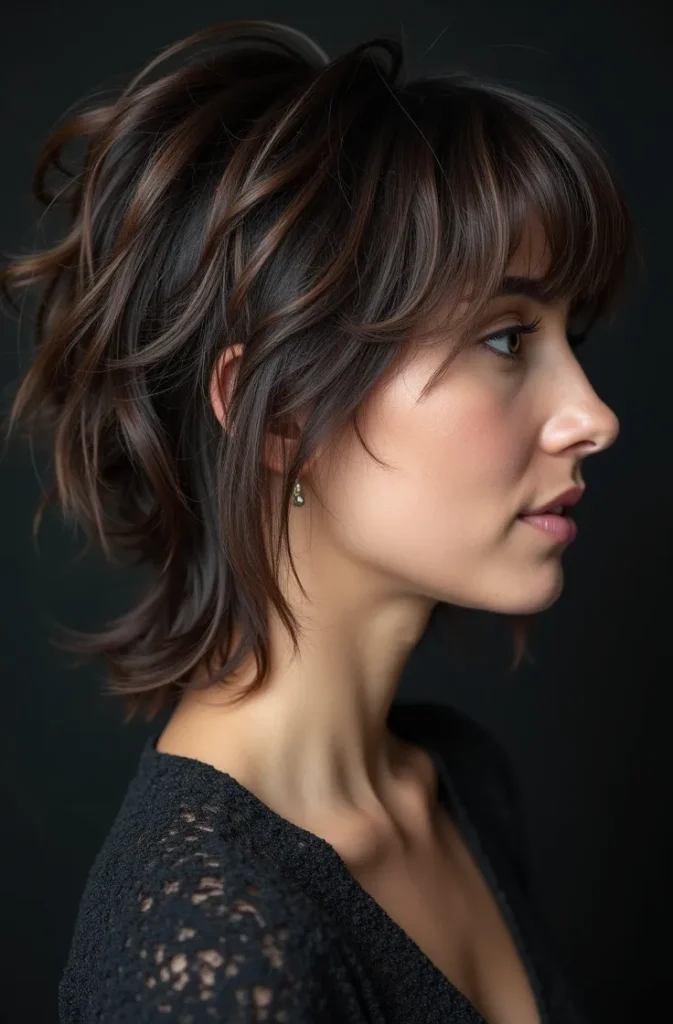
The most divisive variation on this list — and the one generating the most saves on Pinterest right now. The shag mullet keeps more length at the back than a traditional shag while the front and sides are cut shorter. The result is deliberately asymmetrical front-to-back and reads as intentionally bold.
This is not for everyone. It is for the woman who wants her hair to be noticed and who is comfortable with a statement cut.
Best for: Straight to wavy hair. Oval and long face shapes. Women who want an editorial look. Ask your stylist for: A shag with a longer back hemline, shorter front layers, and a choppy fringe. Styling: Texturizing paste through dry hair, fingers only.
10. The Long Shag
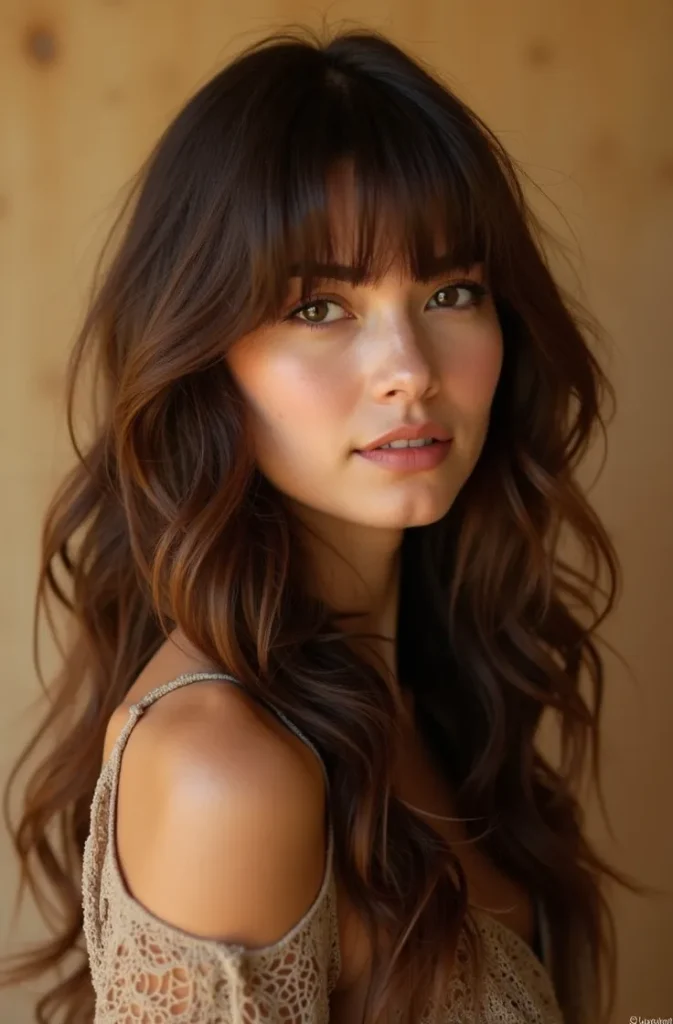
For women who want the shag’s texture and movement without giving up length. The long shag keeps the hair below the shoulders — sometimes well below — with layers distributed from the crown downward. The effect is flowing, voluminous, and distinctly 70s in reference without looking like a costume.
Best for: Thick to medium hair. All face shapes. Women growing out a shorter shag. Ask your stylist for: Long shag layers starting at the crown, face-framing pieces, and a razor finish on the ends. Styling: A curl cream or wave spray scrunched into damp hair, air dry.
11. The Shag for Fine Hair
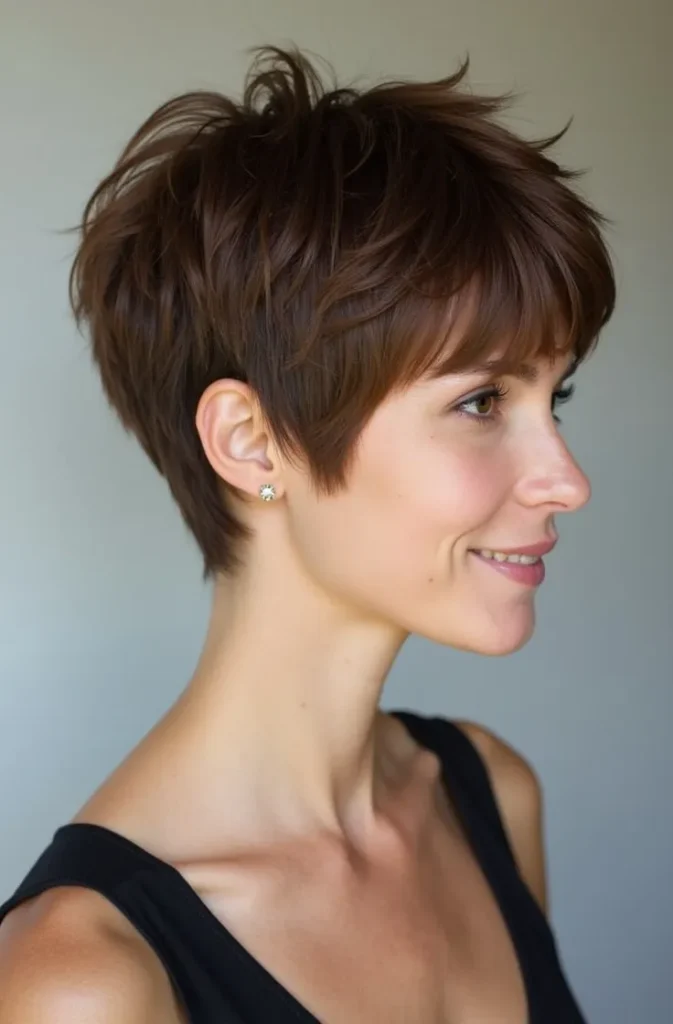
Fine hair has one non-negotiable requirement in a shag: the layers must start high and the ends must be razor cut. This combination creates the illusion of volume and body that fine hair cannot achieve at length. The result looks thicker and fuller than the actual hair density suggests.
Best for: Fine, flat hair at any length. Oval and heart face shapes especially. Ask your stylist for: High layers starting at the crown, light razor-cut ends, and a wispy fringe rather than heavy curtain bangs. Styling: Volumizing mousse on damp hair, blow dry upside down, finish with a texturizing spray.
12. The Shag for Thick Hair
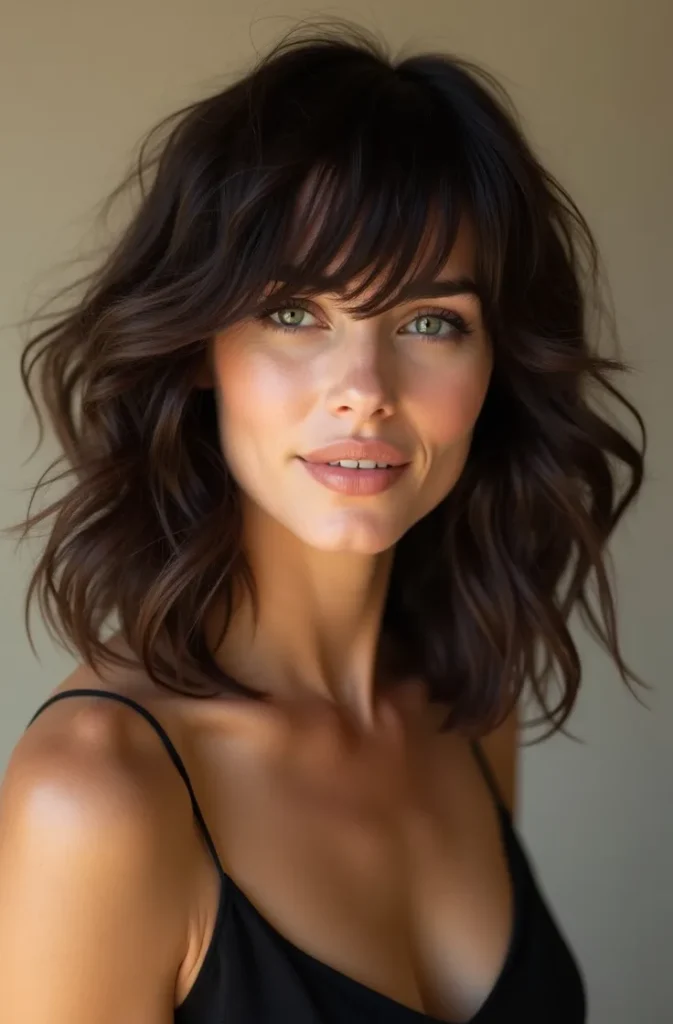
Thick hair needs the shag to do the opposite of what it does for fine hair — remove weight rather than add volume. Interior thinning and disconnected layers are the techniques that transform a heavy, overwhelming mass of thick hair into something that moves freely and feels light.
Best for: Thick, heavy hair that has lost shape and movement at length. Ask your stylist for: Interior thinning, disconnected layers, a scissor cut, and a clean perimeter to balance the texture. Styling: A smoothing cream through the mid-lengths to control frizz, texturizing paste on the ends only.
13. The Shag for Women Over 40
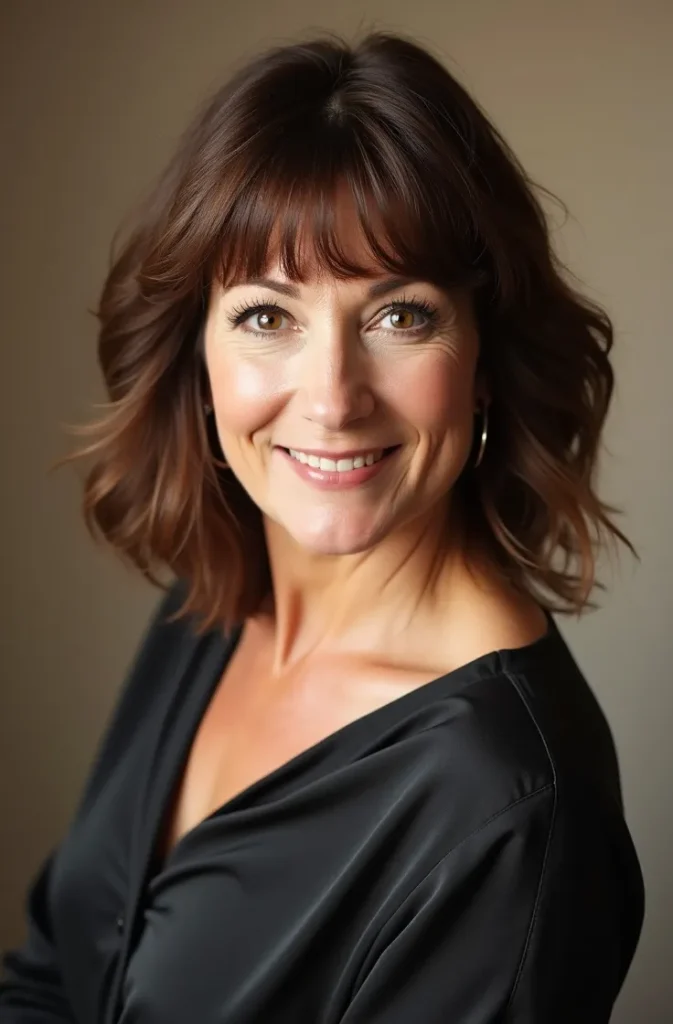
The shag for women over 40 is not a concession — it is one of the most genuinely flattering options available. Face-framing layers lift and soften the features. Movement through the mid-lengths adds vitality. The key difference from a younger shag is the avoidance of very short, choppy layers close to the face that can emphasize fine lines rather than soften them.
Best for: All hair types. Particularly good for fine hair that has lost density with age. Ask your stylist for: A soft shag with longer face-framing layers that start at the chin or below, gentle curtain bangs, and internal thinning rather than heavy external chopping. Styling: A lightweight volumizing spray and a diffuser. Avoid heavy creams that weigh fine mature hair down.
14. The Shag for Women Over 50
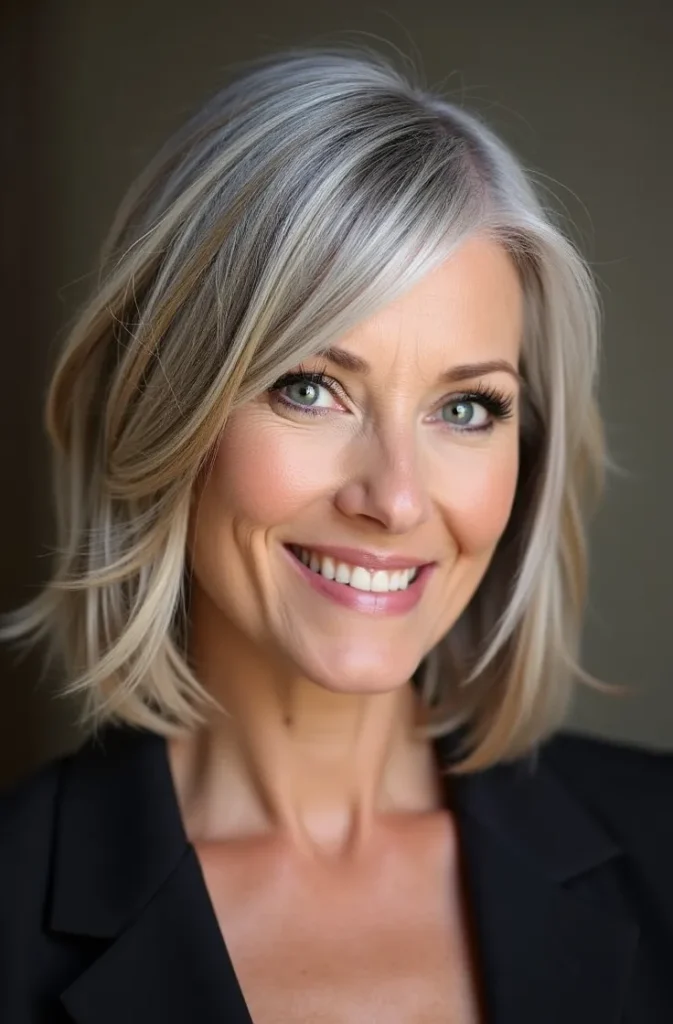
At 50 and beyond the shag brings two specific benefits: volume that naturally thinning hair struggles to maintain at length, and a modern aesthetic that avoids the dated quality of many traditional “mature” haircuts. The shorter shag lob or the medium shag works best at this stage — length below the collarbone can pull fine mature hair down.
Best for: Fine to medium hair. Women wanting a modern, easy-maintenance style. Ask your stylist for: A shag lob (collarbone length) with layers throughout, side-swept or curtain bangs, and a light razor finish. Styling: A volumizing mousse, diffuse or blow dry, and a light-hold hairspray for the fringe.
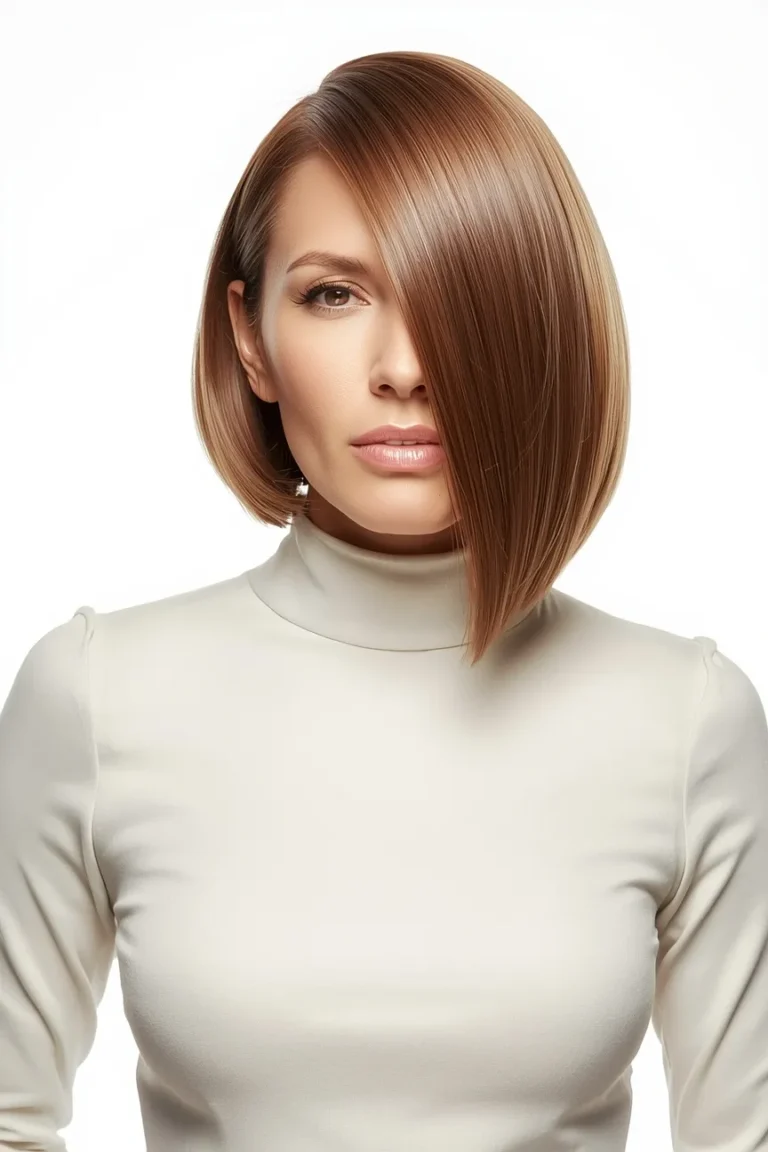
15. The Shag Lob (Shob)
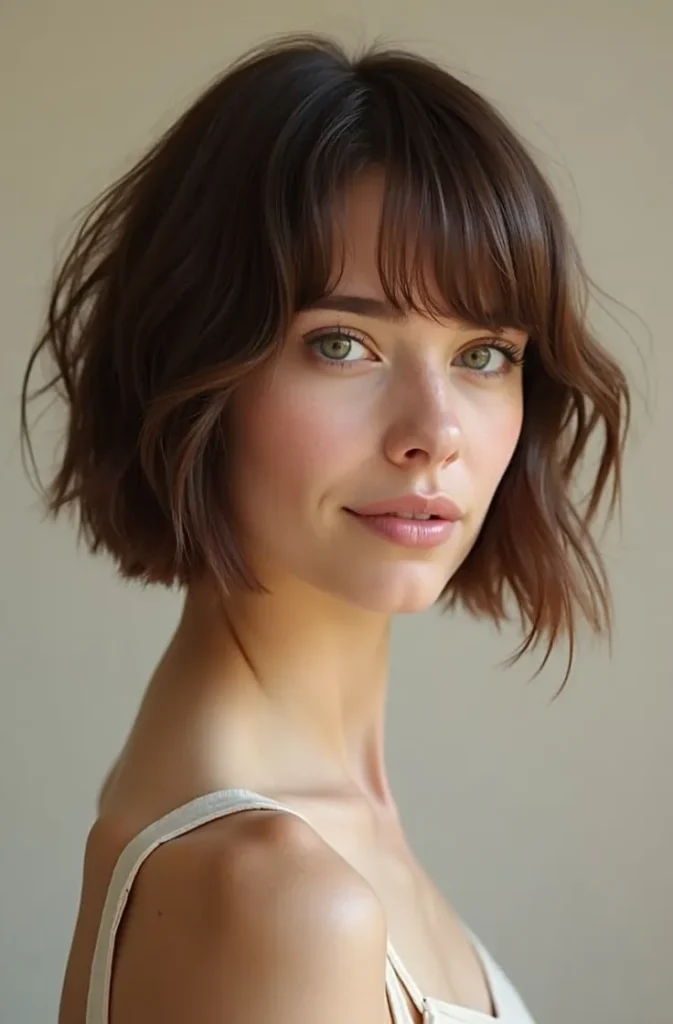
The hybrid that is dominating 2026 salon requests: a long bob given the shag treatment. The lob provides a clean, structured perimeter. The shag layers add texture, volume and movement throughout. The result is the best of both cuts — the lob’s polish combined with the shag’s personality.
Best for: Fine to medium hair. All face shapes. Women who want a significant change without going too short. Ask your stylist for: A lob cut to collarbone length with internal shag layers, a slight texture on the ends, and optional curtain bangs. Styling: A round brush blow dry for a polished version, or scrunch with texturizing spray for a casual version.
16. The 70s Feathered Shag
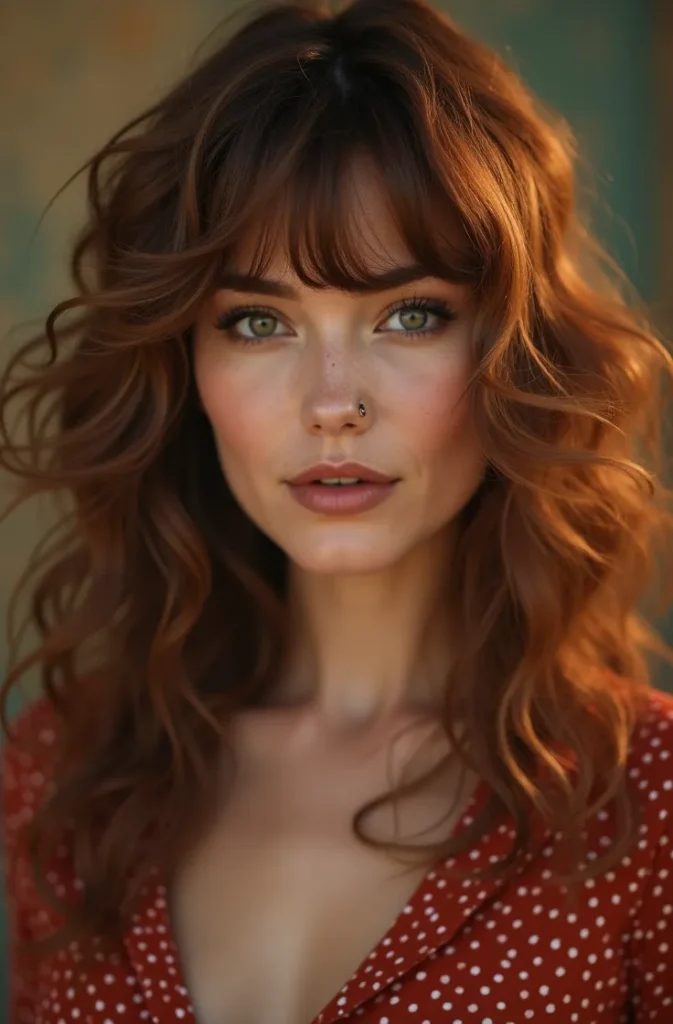
The most nostalgic variation on the list — Stevie Nicks energy, heavy feathered layers, and a wide center part that parts the fringe dramatically on both sides. Updated with modern cutting techniques so the layers are lighter and the overall shape is less heavy than the original 70s version.
Best for: Medium to long hair with natural wave. Oval and long face shapes. Ask your stylist for: A long shag with heavy feathered layers throughout, a dramatic center part, and face-framing pieces that blend with the layers. Styling: Hot rollers or a large barrel curling iron. Finish with a light-hold hairspray for that authentic 70s volume.
17. The Bottleneck Fringe Shag
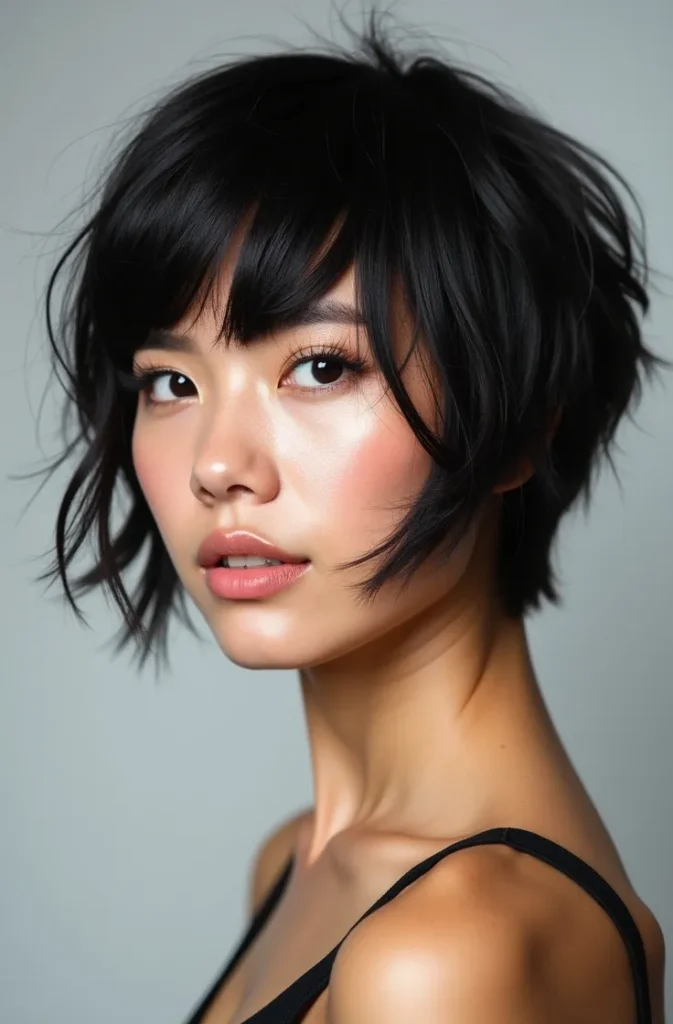
The bottleneck fringe — shorter above the eyebrows, gradually getting longer toward the cheekbones — is one of the most distinctive bang variations of 2026 and pairs perfectly with the shag. It frames the eyes and bone structure in a way that no other fringe does while adding the editorial quality of a styled statement.
Best for: Women who want a noticeable fringe without a full blunt bang. Oval and diamond face shapes. Ask your stylist for: A shag with a bottleneck fringe that starts just above the eyebrows and lengthens to cheekbone level. Styling: Blow dry the fringe with a small round brush. The rest of the shag can air dry.
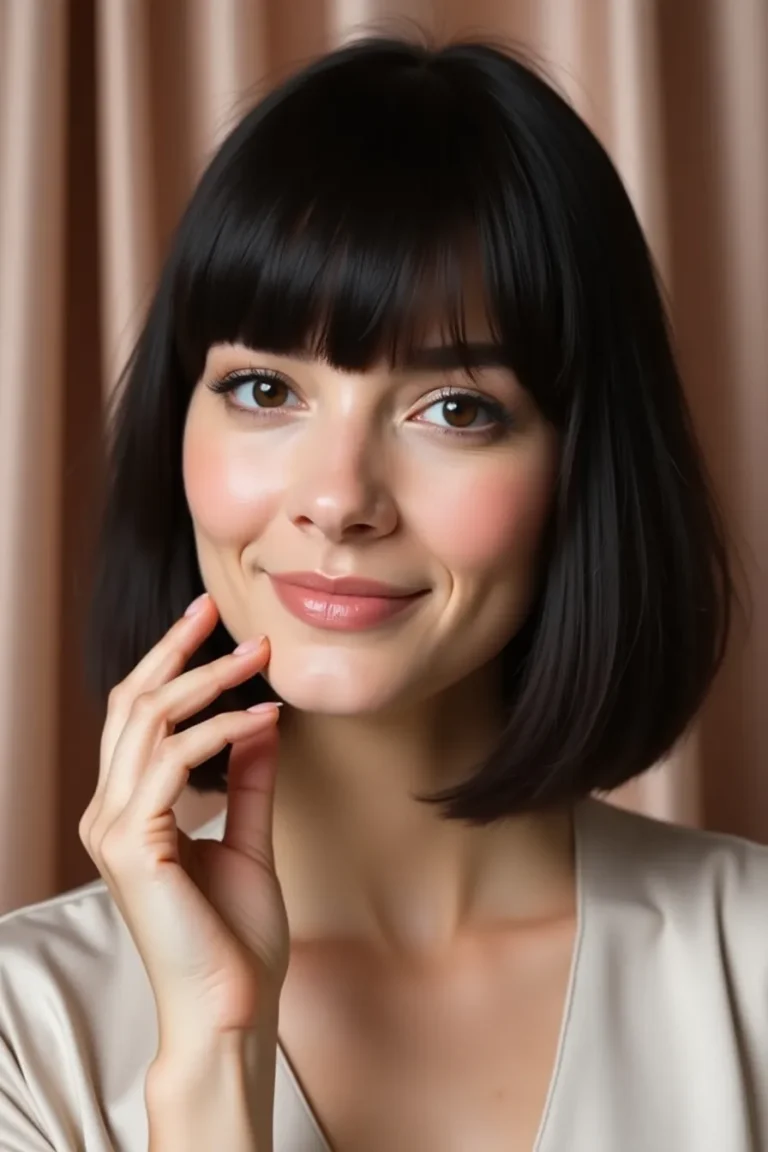
18. The Blunt Fringe Shag
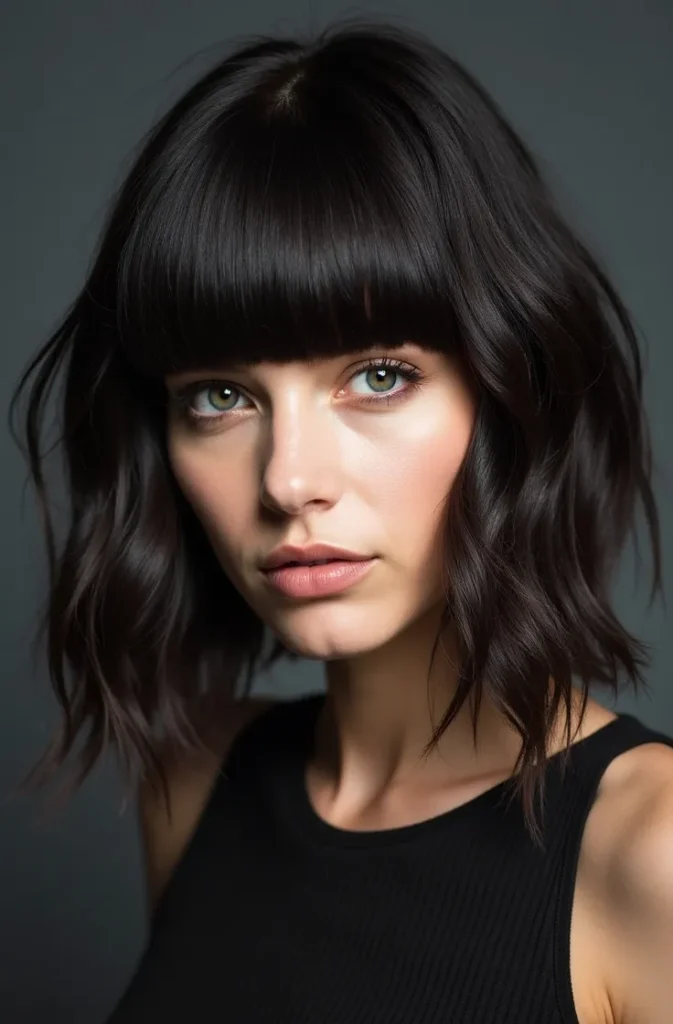
The most dramatic bang option in the shag family. A thick, straight-across blunt fringe cut to just above the eyebrows, paired with the shag’s choppy layers. The contrast between the blunt, precise fringe and the deliberately textured layers is what makes this work — it is bold, fashion-forward, and unmistakably intentional.
Best for: Oval and round face shapes. Women with straight or wavy hair. Ask your stylist for: A shag with a thick blunt fringe cut straight across, with layers that start behind the fringe for a clean front section. Styling: Blow dry the fringe straight with a flat brush. Scrunch the layers.
19. The Shag With Face-Framing Highlights
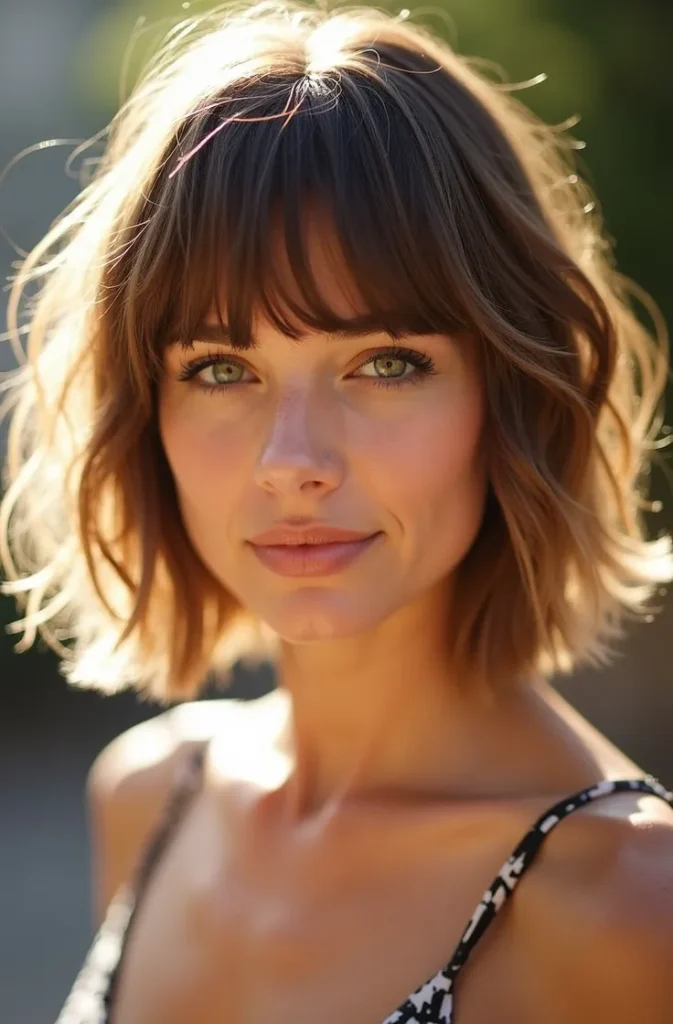
The color technique that makes the shag’s layers more visible without a full color overhaul. Soft, bright highlights placed specifically in the face-framing pieces and the front layers create a halo effect that catches the light with every movement. This is how you make an existing shag look more expensive and more dimensional without a new cut.
Best for: Any existing shag that has lost its freshness. All hair types. Ask your stylist for: Face-framing highlights two to three shades lighter than the base, placed in the first two inches of the front sections and the top layer. Styling: A shine serum through the mid-lengths to enhance the color contrast.
20. The Wavy Shag
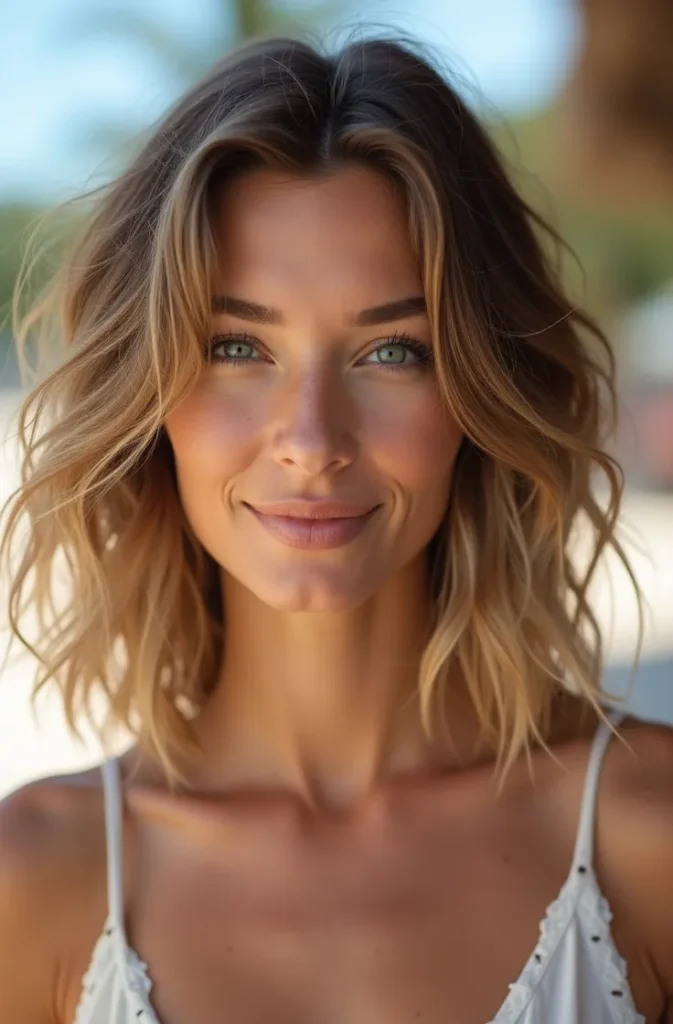
When natural or styled waves meet the shag, the result is the most effortless hairstyle in 2026. The waves and the layers enhance each other — each wave pattern is emphasized by a layer underneath it, each layer is lifted by the wave above it. The whole thing looks like it happened by itself.
Best for: 2A–2C wavy hair. The natural texture does the styling work. Ask your stylist for: A razor-cut shag with layers that follow the natural wave break points rather than ignoring them. Styling: A curl cream or sea salt spray scrunched into wet hair, air dry completely. Do not brush once dry.
21. The Low-Maintenance Shag
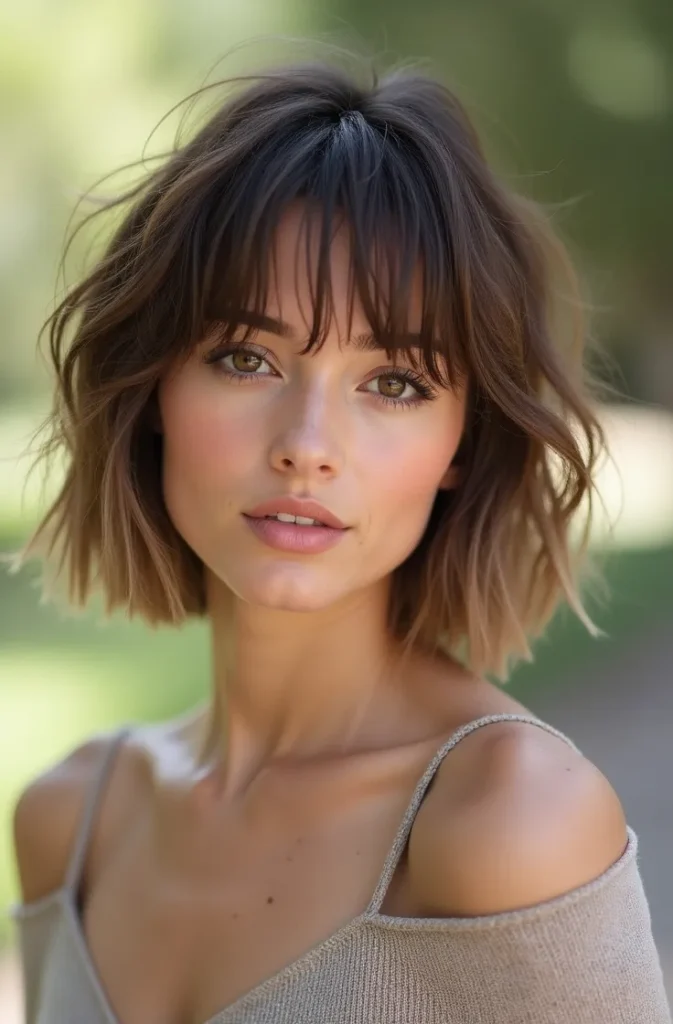
Designed specifically for the woman who does not want to spend more than five minutes on her hair in the morning. The low-maintenance shag uses the cut to do the work that styling would normally do — higher layers that create volume at the crown without blow drying, a natural perimeter that grows out cleanly, and a length that is forgiving between trims.
Best for: Wavy to curly hair. Busy lifestyles. Women who air dry. Ask your stylist for: A wash-and-go shag with layers that work with the natural texture, no blunt fringe, and a length that sits cleanly without needing constant shaping. Styling: A curl cream or mousse on damp hair, air dry. Done in under two minutes.
22. The Color-Block Shag
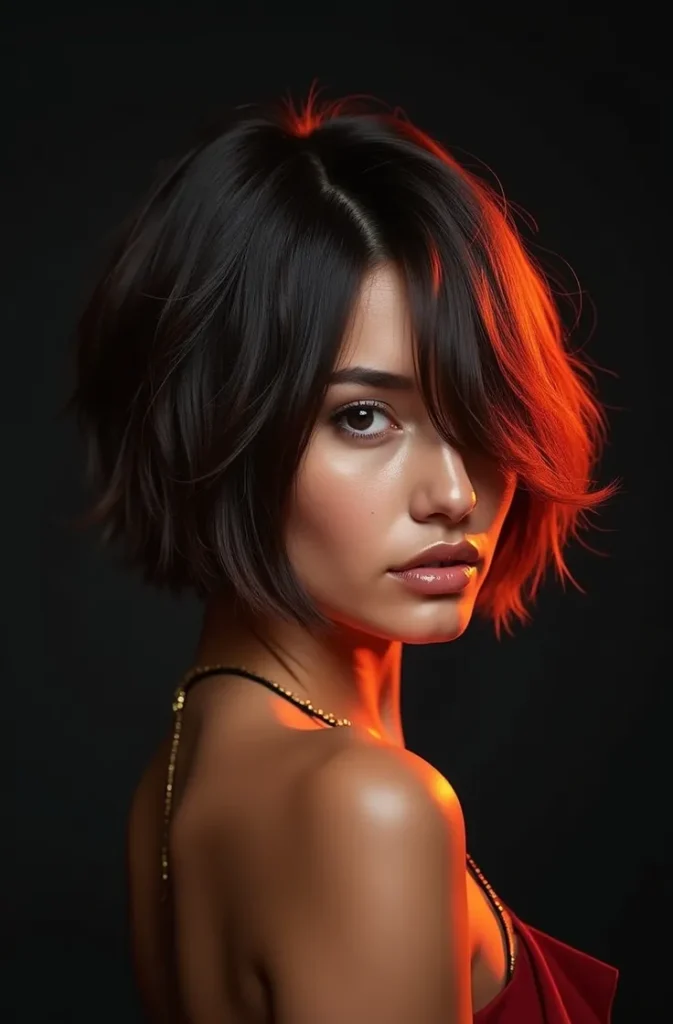
The most creative variation on the list. Two distinct colors — often a natural base with a vivid or contrast color in the underlayers or face-framing sections — revealed by the shag’s movement. When the hair moves, the color underneath flashes through. When it is still, the look is more subtle.
This is the shag for women who want their color to be as interesting as their cut. Popular combinations in 2026 include dark brunette with copper underlayers, black with deep burgundy sections, and natural blonde with a pastel underlayer.
Best for: Women who want bold color without full commitment. All hair types. Ask your stylist for: A shag with color-blocked sections, contrasting color placed in the under-layers and face-framing pieces. Styling: Texturizing spray to separate the layers and reveal the color contrast.
23. The Minimalist Shag
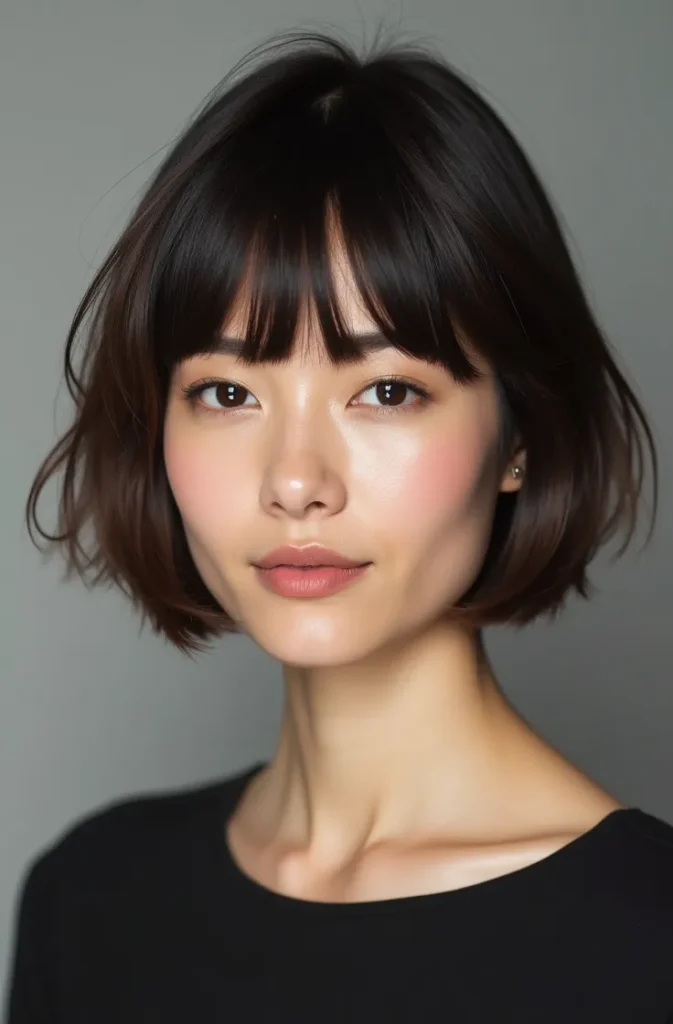
The quiet luxury version of the shag. Everything is softer, cleaner, and more refined. The layers are internal and barely visible. The ends are just lightly textured rather than choppy. The fringe, if any, is the most subtle version of curtain bangs. The overall result looks like a very good lob with a secret — the texture is there, the movement is there, but nothing announces itself loudly.
Best for: Women who want texture and movement without an obviously trendy cut. Professional settings. Fine to medium hair. Ask your stylist for: A soft shag with internal layers, barely-there end texture, and optional soft curtain bangs no shorter than the cheekbone. Styling: A lightweight serum through damp hair, blow dry gently, and nothing else.
24. The Summer Shag
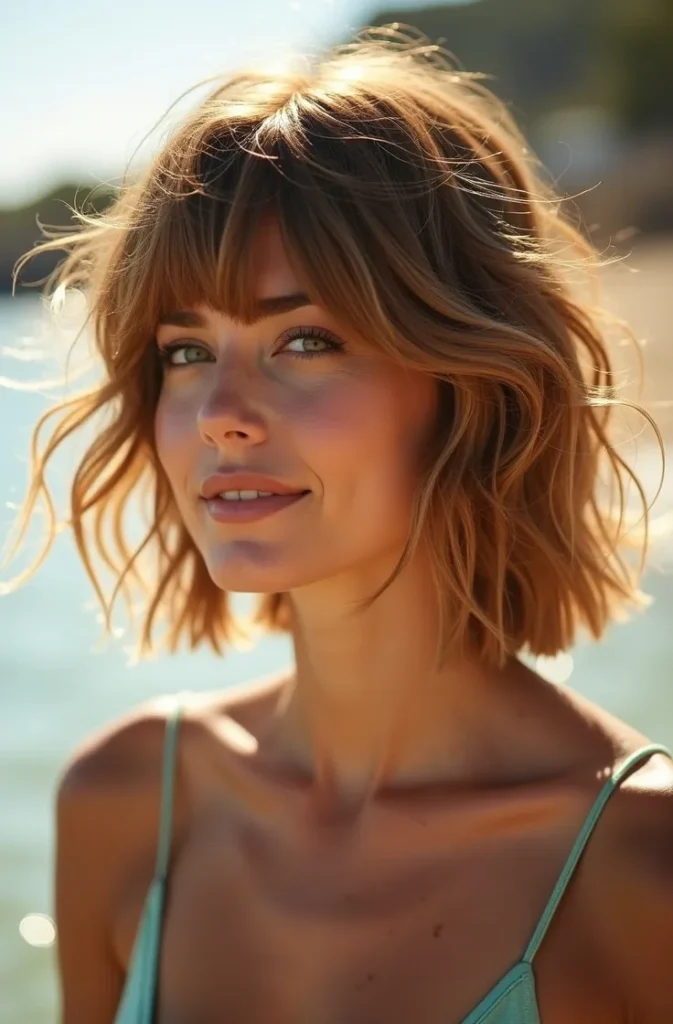
The shag optimized for heat, humidity and an active summer lifestyle. Shorter than a typical shag — landing at the collarbone or just above the shoulders — so it stays off the neck. Light enough to air dry in under thirty minutes. The layers are cut to work with natural texture so no heat styling is required on hot days.
This is the cut to book now before summer starts. It will take you through June, July and August with zero effort.
Best for: All hair types. Women with active summer lifestyles. Anyone who finds long hair overwhelming in the heat. Ask your stylist for: A summer shag at collarbone length or slightly above, razor-cut layers, and a light fringe or no bang. Styling: Sea salt spray on damp hair, scrunch, air dry. Nothing else needed.
25. The Grown-Out Shag
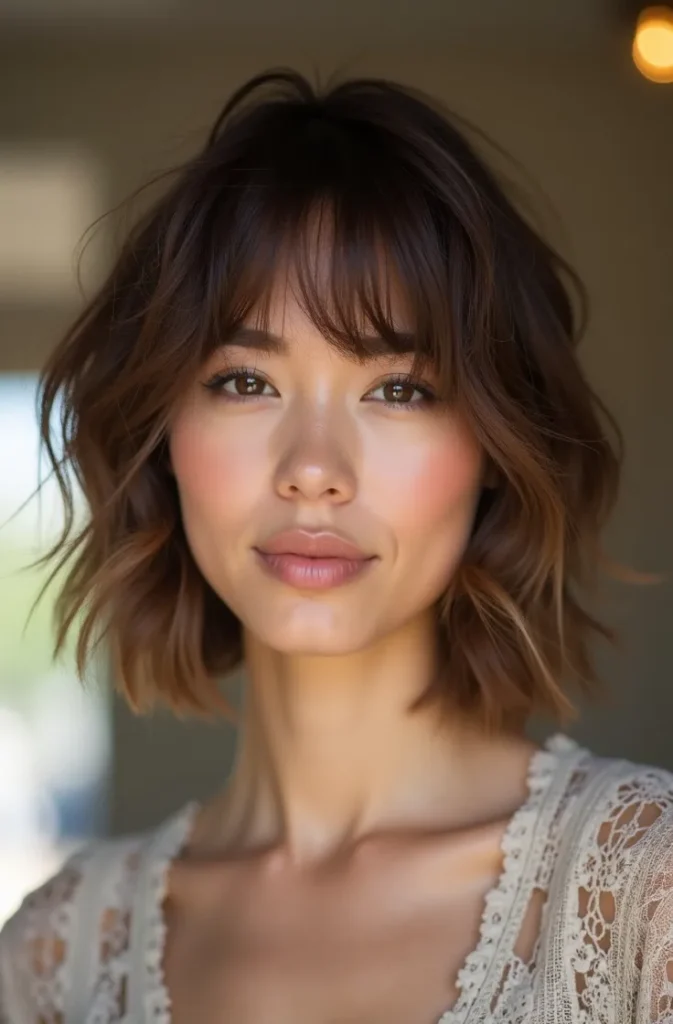
Not a specific cut — a specific stage. The shag at six to ten weeks past its last trim, when the layers have grown out slightly and the ends have softened. This is the stage most posts ignore entirely, and it is the stage that causes the most anxiety.
Here is what actually happens: the shag grow-out is one of the most flattering stages of any haircut. The layers are longer and slightly blended by growth. The fringe has reached a more versatile length. The whole thing looks softer and more lived-in than the fresh cut. Lean into it rather than racing back to the salon.
What to do at this stage: A small amount of texturizing paste through the ends separates the grown-out layers and restores the shag’s characteristic texture. A dry shampoo at the roots lifts the volume. If the fringe is in an awkward stage, a simple curtain-part solves it instantly.
When to book the next trim: Every eight to ten weeks for the full shag. Every six weeks if you have a fringe that you want to maintain.
What Makes a Shag a Shag in 2026
The original shag was created by hairstylist Paul McGregor for Jane Fonda in 1971. Heavy layers, choppy ends, lots of fringe. The 2026 version keeps the DNA — layers, texture, movement — but strips out the heaviness. The key shift is in how the layers are distributed. Modern shag layers start higher and are blended more carefully so the result looks intentional and airy rather than the weighed-down look of the original.
The second shift is the finish. The 2026 shag skews toward what stylists are calling the muted shag — softer outlines, less harsh separation between layers, and an overall silhouette that reads effortlessly cool rather than deliberately edgy. Think Suki Waterhouse and Miley Cyrus rather than Joan Jett.
The third shift is technique. Razor cutting has largely replaced scissor-only approaches for the shag, and the difference in result is significant. Razor-cut shags have softer, more feathered ends that move naturally and blend into each other. Scissor-cut shags have more definition and separation between layers. Neither is better — they suit different hair types and aesthetics, which is covered in detail below.
The Razor Cut vs Scissor Cut Shag: What to Ask Your Stylist
This is the conversation most people never have with their stylist, and it determines the entire outcome of the cut.
Razor cut shag: The stylist uses a straight razor to slice through the ends rather than cut them bluntly. The result is feathered, soft, and naturally textured. Ends move fluidly and blend into each other. Best for medium to fine hair with natural wave or slight texture. Not recommended for very curly hair as razor cutting can cause frizz by opening the cuticle.
Scissor cut shag: Traditional point cutting or slide cutting with scissors. Results in more defined, separated layers with slightly more weight at the ends. Better for very curly or coily hair, very thick hair that needs structure, and anyone who prefers a more polished, defined look between washes.
What to say: “I want a shag with [razor/scissor] cut ends, layers starting at [crown/cheekbone/chin], and [curtain bangs/wispy fringe/no bangs].” This gives your stylist a clear brief rather than leaving interpretation to chance.
Which Shag Suits Your Face Shape
This is the most underserved question in every shag guide online. Here is the honest answer by face shape.
Oval face: The most versatile face shape for the shag. Any variation works. The only thing to avoid is a very heavy, blunt fringe that shortens the face unnecessarily. Curtain bangs, wispy fringe, or no bangs all work equally well.
Round face: The shag works beautifully on round faces because the layers create vertical movement that elongates. Ask for layers that start at the cheekbones and fall downward — this draws the eye vertically. Avoid a shag with too much width at the sides. Curtain bangs that open at the center help elongate the face. A center part is more flattering than a side part for round faces in a shag.
Heart face: The shag is particularly flattering for heart-shaped faces because the layers add volume in the mid-length and ends, balancing a wider forehead. Ask for layers that build weight from the chin downward. Curtain bangs soften the forehead. Avoid very short layers that add volume at the crown only — this emphasizes the width at the top.
Square face: The soft shag variation works best here — gentler layers, softer ends, nothing too choppy or angular that mirrors the jaw. The goal is to add softness and movement around the face. Light wispy fringe or curtain bangs soften the forehead. Avoid blunt fringes that echo the square jawline.
Long/oblong face: The shag is excellent for long faces because the layers add horizontal fullness. A center part distributes volume evenly on both sides and adds width. Curtain bangs shorten the face proportionally. Ask for layers with more body through the mid-lengths rather than heavily razored wispy ends that add length.
Diamond face: The shag works well but needs careful bang placement. A full wispy fringe or curtain bangs that cover the forehead narrow the wider cheekbone area. Ask for layers that add fullness at the chin and jaw to balance the narrower points of the face.
Which Shag Suits Your Hair Type
Fine hair: The shag is one of the best possible cuts for fine hair because layers create the illusion of volume and body that fine hair cannot achieve in length. Ask for a razor-cut shag with layers starting high at the crown. Avoid very thick, heavy curtain bangs that will look limp. Wispy, light fringe works better. Style with a volumizing mousse on damp hair before diffusing.
Thick hair: The shag removes bulk and weight through disconnected layers and interior thinning, making it genuinely transformative for thick hair. Ask for a scissor-cut shag with heavier interior thinning to remove bulk from underneath. Avoid too many wispy ends that will puff out rather than flow. Style with a smoothing cream through the mid-lengths to control frizz while letting the ends stay textured.
Wavy hair (2A–2C): Wavy hair and the shag are genuinely made for each other. The layers work with the natural wave pattern and enhance movement. Razor cutting works beautifully on this hair type. Style by scrunching a curl cream into damp hair and diffusing, or air drying for a looser wave. The shag will look different every day — which is the entire point.
Curly hair (3A–3C): Ask specifically for a curly shag, which keeps layers longer and more gradual to avoid the triangle effect. Request scissor cutting rather than razor. Style with a curl cream and diffuse on low heat. The curly shag reduces bulk without losing definition and creates a beautifully rounded silhouette.
Coily hair (4A–4C): The shag principles apply but the execution is different. Ask for a cut on stretched or slightly dried hair so the stylist can see how the layers will fall when the hair shrinks back. Layers should be cut to work with the shrinkage pattern rather than against it. The result is a shape that maintains volume at the crown while removing bulk through the mid-lengths.
Straight hair: Straight hair benefits most from a razor-cut shag because it creates texture and movement that straight hair naturally lacks. Without the cut, straight hair can look flat and limp in a shag. With it, the layers create dimension and the wispy ends catch the light differently. Style with a texturizing spray on dry hair, scrunch gently, and let it sit.
How to Style Your Shag: Morning Routine by Hair Type
The biggest complaint about the shag is that people do not know how to style it at home after the salon visit. Here is the honest morning routine by hair type — no vague instructions.
Fine straight hair: Apply a volumizing mousse from roots to ends on soaking wet hair. Flip hair upside down and blow dry at medium heat until eighty percent dry. Flip right-side up, rough dry the rest, and finish with a texturizing spray through the roots. Total time: twelve minutes.
Wavy hair: Scrunch a curl cream or sea salt spray through wet hair. Do not brush or comb. Air dry completely, or diffuse on low heat with a scrunch motion. Once dry, scrunch out any crunch with a tiny drop of oil. Total time: five minutes active, thirty minutes air dry.
Thick straight hair: Apply a smoothing cream through damp mid-lengths to ends. Blow dry with a large round brush, directing ends outward or under. Finish with a texturizing spray through the roots only. Total time: fifteen to twenty minutes.
Curly hair: Apply a leave-in conditioner and a curl cream to soaking wet hair in sections. Scrunch thoroughly, do not touch while air drying or diffuse on low. Once fully dry, separate curls with fingertips and a small amount of oil. Total time: five minutes active, forty minutes air dry.
What to Tell Your Stylist: The Exact Script
Print this section or screenshot it before your appointment.
“I want a modern shag with [razor/scissor] cut ends. I have [hair type] hair and my face shape is [face shape]. I want the layers to start at [crown / cheekbone / chin]. I’d like [curtain bangs / wispy fringe / no bang]. I want the overall look to be [soft and muted / textured and choppy / somewhere in between]. I do [not] want to use a lot of heat to style it.”
That script covers every decision your stylist needs to make and eliminates the gap between the photo you saved and the cut you walk out with.
Looking to pair your new shag with the right color for summer? Check out our guide to summer hair color 2026 for the shades that work best with layered cuts.